
For researchers working in isolated areas, the distance from others can create challenges in finding the community that sustains both their professional and personal wellbeing. Enter RISE, a network for health researchers that was created to meet the need for connection and support across regional Australia. Started by a group of support staff and researchers at the rural Clinical Schools, the group now offers a common ground and meeting space for those working in places where they may not otherwise find one another.
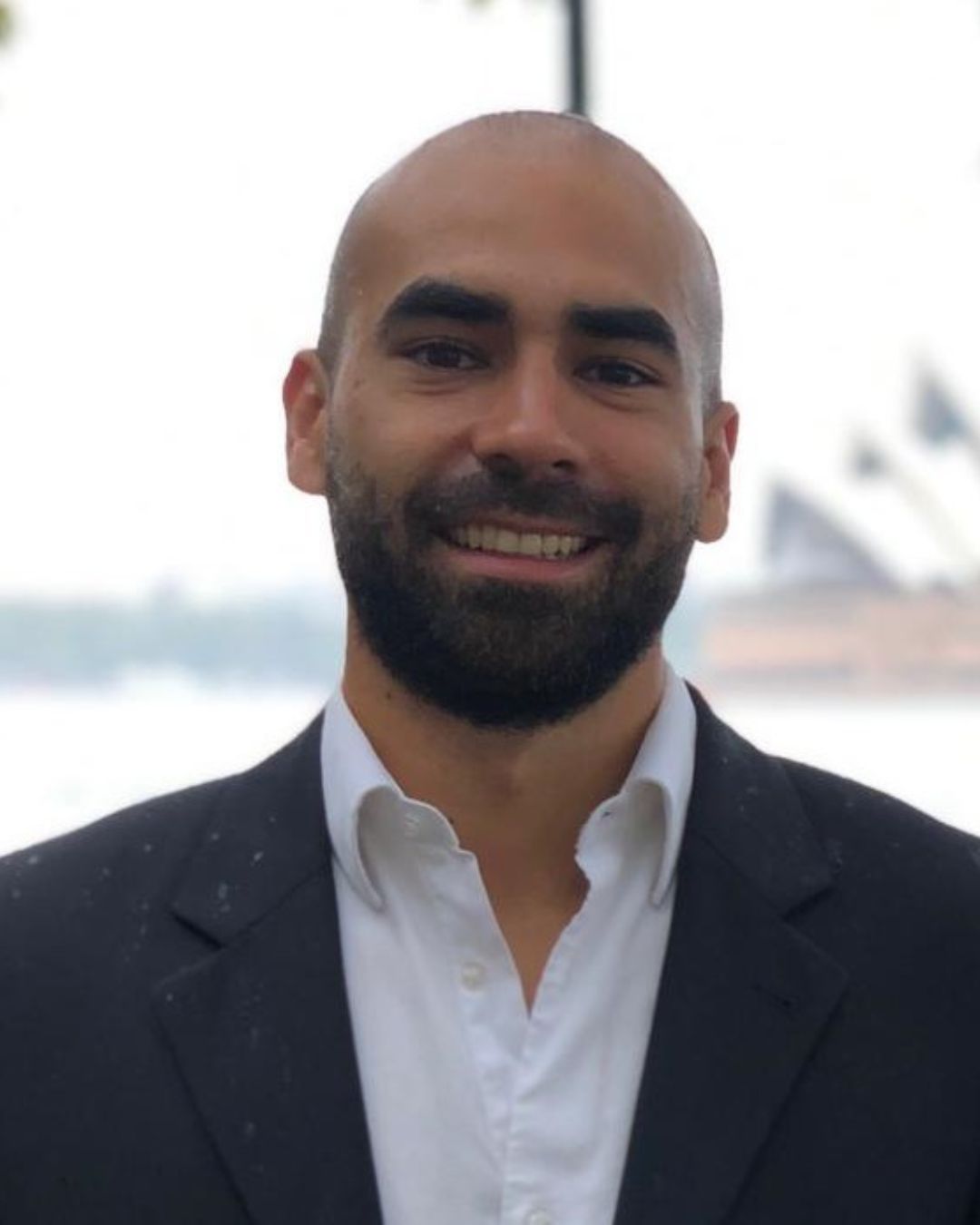
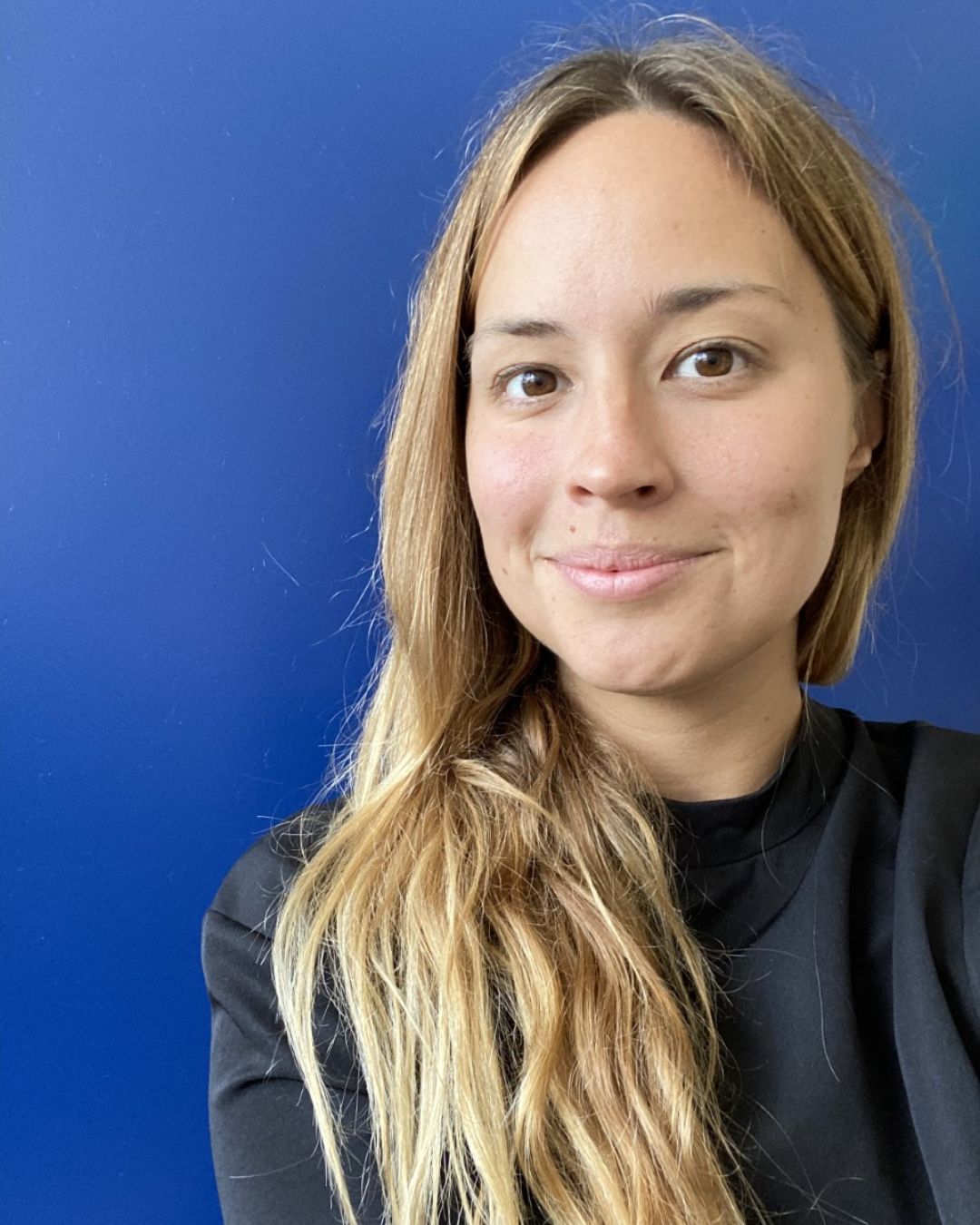
We sat down with Research Officer Hayley Jorgensen and co-chairs Dr Carlos Ivan Mesa Castrillon and PhD candidate Talah Laurie to discuss how they connect the group over shared experiences and professional development.
What is the name of your group and which Faculty or School are you part of?
Hayley: We are called RISE Researchers: RISE stands for Rural Innovation Support and Engagement. The name was peer-voted at the end of last year.
I seeded the original idea with the three rural heads of school, who were all on board. Kris Vine and Dr Simon Davidson then agreed to come on as co-chairs, and we established the group together.
We started at the end of 2024 as a very informal, community-of-practice-style network through the rural precincts in the Faculty of Medicine and Health. The first year of leadership was auspiced through the University Centre for Rural Health in Lismore.
The group grew quite rapidly and organically, with no promotion. What began as a network for rural health researchers attracted interest from people at other institutions and from researchers doing rural health-oriented work in other faculties. We opened the membership up because it felt important to be inclusive.
For 2026, our co-chairs are Dr Eduardo da Silva Alves, Carlos and Talah. I am the logistical and continuity lead. When we developed our first terms of reference, we deliberately chose a co-chair model that would include at least one HDR student and one emerging EMCR, because the network itself is for emerging researchers.
Why did you want to take on a leadership role in the network?
Talah: I've been with the University for six going on seven years, but I hadn't stepped into a capacity like this. I figured it was time to flex new muscles.
Seeing how Hayley, Kris and Simon led the group last year, I really liked the inclusive and collectivist environment they had created. That aligned with the way we work. I wanted the opportunity to develop skills I hadn't otherwise been able to use, in a safe environment. It's been a brilliant learning curve.
Dr Castrillon: I'm based in Orange in the School of Rural Health. I did my PhD at the University's main campus and moved here three years ago. As an academic researcher, I felt a degree of isolation, especially from people doing similar work in rural health.
I joined the group last year and found very like-minded people. The meetings were relaxed, and it was nice to hear the problems other people were having in rural places and think, 'Oh yeah, I have the same issues.' I think we are trying to counter the professional isolation we feel.
Becoming a chair has also been a good development opportunity and valuable experience for me.
How is RISE structured, and how do members come together?
Talah: It's very organic. Sometimes we have structured sessions around topics of interest and invite guest speakers to present. People can ask their big, burning questions in a way that doesn't really happen over email.
Other sessions are purely about connection and checking in. We try to flow with the group's needs, be flexible and pivot when we need to. It's very human-centred. If there is a lot of interest in a topic, we'll cater to it. Otherwise, it might simply be: here are some useful resources we've come across; how is everyone going?
Hayley: We meet online every two months because our membership is very geographically dispersed. Carlos is in Orange, Talah is in Esk in Queensland, and I'm in Lismore in northern New South Wales.
We have a standing meeting in everyone's calendar on a Wednesday morning every second month. New members are added to that invite, and details of each session are usually released two to four weeks beforehand. We also record sessions and share them with members, because one standing meeting time can never meet everyone's needs.
There is no funding behind the network, so we absorb the work of leading it on top of our substantive roles, whether as students, postdocs, researchers or professional staff.
We would love to bring people together in person. Online meetings help combat isolation, but the format is also a limitation because you don't get the same richness of in-person connection.
Approximately how many researchers are supported by the group?
Hayley: We have roughly 35 to 40 members at the moment. The network was deliberately designed to include both HDR students and early career researchers.
In rural locations, you might be the only rural HDR student or one of the only rural ECRs in your work area. We wanted to create connections between HDRs and ECRs and help bridge that pathway into a research career.
There can be quite a firm split between who supports HDR students and who supports researchers. We wanted the group to sit a little outside that divide and create a space where emerging researchers at different stages could connect.
How do you decide what the network focuses on each year?
Hayley: Before we launched the group, we used our networks to circulate a survey and gauge both interest and what people wanted from a group like this. We asked about peer support, career needs, professional development and research skills.
The survey had a strong response. We fed the results back to members at the first meeting and used them to design a semi-formal, semi-informal schedule for the year. We repeated the process at the end of last year for 2026. The survey results form the basis of our year. The leadership team meets monthly, goes back to those results and considers what is coming up or what opportunities might be useful.
At the start of this year, during the chair handover, we drafted a skeleton structure based on the topics members were most interested in. But it stays responsive. What comes up in group discussions can change the direction of future sessions.
Dr Castrillon: Planned topics are obviously important — research impact, networking, grant writing and research skills — but members also told us that informal sessions are equally important.
Sometimes people just want to join and say, 'This is what I need. This is what's happening with my research,' or listen to other people's challenges. In a rural workplace, you may not have another space for that. So we deliberately keep room for informal conversation.
What are the group's focus areas for 2026?
Dr Castrillon: Some of the key topics identified through the survey were research impact and translation; core academic skills such as thesis and grant writing; networking and collaboration opportunities; grant and funding opportunities; grant clinics; co-design; and qualitative research methods. Some goals are skills-focused and others are more informal.
Hayley: We're only in our second year, so we're still learning what works. I was personally surprised by how quickly the group attracted interest and engagement. It is clearly meeting a need as it is, but we can also see how much more we could do.
What has worked best so far in supporting emerging researchers?
Hayley: At the end of 2025, Kris, Simon and I held a reflective practice session to look at what had worked, what we'd learned and what we wanted to carry into the new leadership team.
The biggest takeaway was the importance of connection and peer support. It wasn't necessarily what we'd anticipated. When you work in research capacity building, you can be very focused on training and development and forget the psychosocial and professional side of researcher capacity.
Professional isolation in rural places is an under-examined part of researcher development. That's why our model this year is less formally presentation-driven. Sessions are still topic-based, but there is more discussion, engagement and peer-led conversation, and more flexibility within the session.
People are really seeking spaces to connect. Yes, for career development, networking and skills, but also simply to feel part of something bigger.
As an emerging researcher or student, your work takes up so much of your brain space. It matters to know there are other people who feel the way you do and are on the same journey, advocating for place-based research in rural spaces.
Talah: One of the best experiences for me has been having some of the brilliant people in our profession come into the group and deliver sessions.
Last year I was living even further away in Queensland, about 12 and a half hours from Lismore. There was really no one in the township who understood what I was doing for work or what I was trying to achieve next.
To have major rural health advocates come into this space and simply yarn with us as peers is incredibly valuable. You can ask questions, hear about their career journeys and learn from all the experience they bring. It's very different from sitting down, reading something and trying to absorb it on your own.
How do you keep members connected between events?
Dr Castrillon: We have a WhatsApp group where we informally share news and opportunities and keep people engaged. We also use a mailing list and word of mouth.
Talah: When we're travelling for work and meeting other students or supervisors, we talk about the group and let people know the space exists. That's how I've come across other students who have been interested in joining. It's nice and basic — just talking about it.
Hayley: Last year we were figuring out what the group was and whether it worked. We started something, trialled it and found that it was successful. This year, the question is: we have a growing membership base, so how do we keep everyone engaged between meetings?
One member made a RISE Spotify playlist that everyone adds songs to. We launched the WhatsApp group for informal connection. We're actively thinking about modes of engagement that aren't just email or a Zoom catch-up. The focus now is: we've got a model that's rolling. What else can we do to supplement engagement and keep people feeling connected?
Have there been any unexpected successes or outcomes from the network?
Talah: For me, one of the most interesting things has been exploring how people connect and creating more atypical spaces for that connection. A lot of my work revolves around non-traditional research outputs, so I'm really interested in what that can look like in a group like this. We have a lot of different brains and expertise in the network and a lot of room to experiment. I don't think we've seen the pinnacle of the group's creativity yet.
Dr Castrillon: We're still a work in progress and growing slowly but steadily. The survey process gave us a chance to plan and work together. I don't think we've had our most creative output yet, but we have a good idea of where we want to be and what we want to achieve. We want to keep building a strong network and good connections for members.
Hayley: Even the group's identity has been peer-led. Members submitted ideas and voted on the RISE name. That was an important foundational moment for us. The model is designed to be peer-led and peer-informed: members tell us what they want, and the leadership team — who are also their peers — responds. It's a continuous cycle.
What are the next challenges or opportunities for RISE?
Hayley: One challenge is the invisibility of rurally based researchers across the University. Even within our own faculty, it isn't necessarily recorded anywhere. There are researchers who may not be affiliated with one of the three rural schools but are still rurally based, and we simply don't know about them — or they don't know about us.
All of our membership growth has happened organically through word of mouth.
The more we can get in front of different audiences, the more we can say: we're here. If you're rurally based, experiencing professional isolation and feeling out on your own, you're not.
Dr Castrillon: We want to grow. We're always looking for new members, and if someone from Sydney wants to present to the group or bring an idea to us, we're open to that. With more resources, we would love to offer more opportunities and programs to rural researchers.
Hayley: Funding is a major one. We would love to bring people together in person, and we're exploring funding opportunities to make that possible.
We are also thinking about how people find and join the group as it grows. At the beginning, it was useful to have a human on the other end: someone would get in touch, we'd have some back and forth, add them to the meetings and introduce them to the network. As we grow, it would be useful to make the joining process easier and create a stronger online presence. The challenge is finding the time and resources to build that infrastructure while the network is still being run alongside everyone's substantive roles.
Dr Castrillon: More resources would allow us to provide more programs and opportunities for rural researchers. Our members are open to that, and we're also looking at funding to support an in-person gathering.
Based on your experience, what advice would you give other EMCR committees or network organisers?
Talah: Don't just accept the first no. From watching Kris, Simon and Hayley get this started, I've seen that if there is a strong will, there will be a way and there will be people to support you. We all want connection and spaces like this. Back the people who are trying to lead. Don't turn around at the first structural difficulty and decide it's too hard. I've watched this group work through barriers I didn't even know were there. It's about finding the right navigators, finding different ways around the problems and building a collective identity and strength.
Dr Castrillon: This is a mini passion job on the side for us. We have a good cause: helping rural researchers connect, supporting wellbeing and recognising that not everything has to be research-focused or about research skills and work.
This is time outside our jobs, but when we meet it feels special because we share many of the same challenges and opportunities. My advice would be to do the things you care about, look for your passions and, despite the challenges, keep trying.
More on our EMCR networks
Contributors
Manual Name : Dr Carlos Ivan Mesa Castrillon
Manual Description : Lecturer (AgHealth), Faculty of Medicine and Health
Manual Address :
Manual Addition Info Title :
Manual Addition Info Content :
Profile image : /content/dam/intranet/images/medicine-and-health/news-and-events/2023/06/(rural)-dr-carlos-ivan-mesa-castrillon,-associate-lecturer.jpg
Manual Type : profile
_self
Auto Type : contact
Auto Addition Title :
Auto Addition Content :
Auto Name : true
Auto Position : true
Auto Profile image :
Auto Phone Number : false
Auto Mobile Number : true
Auto Email Address : true
Auto Address : false
UUID :
Manual Name : Hayley Jorgensen
Manual Description : Research Officer, University Department of Rural Health
Manual Address :
Manual Addition Info Title :
Manual Addition Info Content :
Profile image : /content/dam/intranet/images/medicine-and-health/news-and-events/2023/02/rural,-hayley-jorgensen,-research-support-and-administration-officer.jpg
Manual Type : profile
_self
Auto Type : contact
Auto Addition Title :
Auto Addition Content :
Auto Name : true
Auto Position : true
Auto Profile image :
Auto Phone Number : false
Auto Mobile Number : true
Auto Email Address : true
Auto Address : false
UUID :
Manual Name : Talah Laurie
Manual Description : PhD Candidate, University Centre for Rural Health
Manual Address :
Manual Addition Info Title :
Manual Addition Info Content :
Profile image : /content/dam/corporate/images/medicine-and-health/news-and-events/2023/october/talah-laurie.jpeg
Manual Type : profile

_self
Auto Type : contact
Auto Addition Title :
Auto Addition Content :
Auto Name : true
Auto Position : true
Auto Profile image :
Auto Phone Number : false
Auto Mobile Number : true
Auto Email Address : true
Auto Address : false
UUID :