
Sydney’s Early-Mid Career Academic Network (SEMCAN) is being ushered into the next era with the initiation of a new leadership team. Dr Mehala Balamurali and Dr Niamh Chapman have been selected as co-chairs to continue to provide the key support and advocacy that SEMCAN has long been known for – and to build skills, careers, and connections within the EMCA community.
As always, the Researcher Development Unit is excited to work closely with SEMCAN’s new leadership team to establish offerings and events for the University’s early to mid-career researchers. We sat down with Mehala and Niamh to discuss what they have in mind as they begin their journey at the helm of SEMCAN. The conversation was the first of many for the pair, who are equally invested in the long-term benefits of being actively involved in a network of professionals with so much knowledge to share.
For those who might be new to the network, can you tell me about SEMCAN and what it does for early to mid-career researchers?
Dr Balamurali: I think of SEMCAN through three key ideas: community, visibility and support. It’s a university-wide community that connects early and mid-career researchers and academics across faculties and disciplines. It also serves as a bridge between EMCRs, the Researcher Development Unit team and the University’s research leadership.
SEMCAN helps create visibility for researchers by bringing people together to connect, collaborate and learn from each other. It also supports researchers through initiatives such as professional development opportunities and the Good Mentor Awards, and it plays an advocacy role by identifying gaps and raising EMCR perspectives with leadership when policies and priorities are being shaped.
Dr Chapman: I’d echo all of that. One thing I’d add is that while senior colleagues are incredibly important, peers can often provide the most immediate and practical support. They’re the ones navigating many of the same challenges in real time.
That’s why a network like SEMCAN matters. It helps build that peer group across faculties, which brings different perspectives but also a sense of solidarity. These are also our future collaborators and future academic leaders. Knowing how to support one another, build each other up and recognise opportunities to work together is a really important – and sometimes overlooked – part of an early and mid-career researcher network.
You’ve both had different experiences with SEMCAN so far. Can you share examples of how it has helped you in your careers?
Dr Balamurali: Definitely. Initially, I saw being involved with SEMCAN as part of being a well-rounded academic, because service to the community is an important part of academic life. But after joining, it helped me personally as well.
My research is highly industry-engaged, and my discipline can sometimes feel quite isolated within the broader university. SEMCAN gave me a platform to connect with others across different areas. As Niamh mentioned, I learned a lot from seeing how other academics were navigating their careers. That helped me recognise differences between disciplines and better understand how to articulate those differences in contexts such as the Academic Excellence Framework and promotion applications.
It has also helped me build interdisciplinary connections. My expertise is in AI, machine learning and deep learning, so being part of SEMCAN has opened opportunities to engage with researchers from other fields and explore collaborative projects. So while service is one side of the experience, I’ve also benefited greatly from what others in the network have shared.
Dr Chapman: I joined the University in May 2023, and one of the first things I attended was the SEMCAN Good Mentor Awards. I really appreciated hearing the stories being celebrated and the kinds of mentoring and supervision practices the awards recognised – collegiate, thoughtful and genuinely impactful.
Another big benefit has been the skill development side. I’ve attended workshops through the Researcher Development Unit, including one on navigating difficult conversations, and I’ve also found supervisor development resources from the Graduate Research School really valuable. When I moved here, I had no team; then I had three people; now I have nearly 12. Being able to tap into both the SEMCAN network and formal development opportunities has been incredibly helpful as I’ve navigated that transition.
I regularly go back to those resources to reflect on how I’m supporting my team and building a high-performing, healthy team culture. That’s part of what excites me about this role – helping shape offerings that are relevant and useful for the challenges academics are facing right now.
What motivated you to apply for the co-chair role?
Dr Balamurali: I’ve faced many challenges in my own career, and I’m still navigating some of them. That has made me feel strongly that I can help create a platform where people can connect, understand each other’s experiences and give back to the community.
I’m especially interested in thinking about what kinds of support many of us may have missed earlier in our careers, and how we can provide that now for others. Early mentorship is one of the things I feel most strongly about, along with creating more opportunities for meaningful networking. That’s what motivated me to step into the co-chair role.
Dr Chapman: After securing a fellowship and joining the University, for my first two years I was very focused on establishing my team and making sure I could bring in funding and create continuity for my role. Last year I was fortunate to have some grant and fellowship success, and this opportunity came up at a time when I finally felt I could take a breath and give something back to a university community that had welcomed me so warmly.
In previous roles at the national and international level, I’ve led committees with strong capacity-building initiatives, including mentoring programs and leadership development. I’d love to bring some of that experience into this role locally. I’m especially interested in structured opportunities that are easy for academics to engage with and also easy to articulate later in promotion, fellowship or grant applications. It’s about making development opportunities meaningful, coherent and usable.
What is your vision for SEMCAN over the next couple of years? How would you like to see the network evolve?
Dr Balamurali: One thing I’d really like to focus on is continuing to strengthen the SEMCAN community so that every EMCR feels they belong to it. I’d also like to revisit some of the smaller activities we ran in earlier years, such as grant writing groups, panel sessions on navigating academic careers, and sessions around diversity and equity – not to duplicate what’s already happening locally within ECR groups, but to complement and connect these efforts in a more strategic way.
More recently, there’s been a focus on re-engaging people across faculties and disciplines, because we identified a sense of disconnection. I’d like to build on that by increasing engagement through more networking events and leadership-focused opportunities.
Coming from engineering and working in an industry-engaged and interdisciplinary space, I can also see how rapidly AI and new technologies are changing the way we work and lead. I think SEMCAN could play a role in helping researchers across disciplines come together to explore those changes, learn from one another and potentially develop collaborative projects. And as I mentioned earlier, early mentorship is something I’d really like to see strengthened as part of that broader support.
Dr Chapman: I agree with not reinventing the wheel. I think there’s a real opportunity to work with the committee and the Researcher Development Unit to create a more coherent strategy around what already exists.
With the Academic Excellence Framework and the range of leadership offerings already available, one idea is to bring those opportunities together in a clearer way – almost like a calendar or roadmap tailored to different academic stages, from Level A through to Level D, or for anyone who identifies as an early or mid-career researcher.
It could be something like a “passport” that helps people think about how opportunities align with their annual planning, their three- to five-year goals, or the transition point they’re currently at. There are already excellent workshops, leadership programs and networking opportunities at the university. I think part of SEMCAN’s role could be helping people navigate them more easily and reducing some of the cognitive load of figuring out where to put their energy.
Dr Balamurali: Yes, I really agree with that. There are lots of changes happening, but not everyone is aware of them, and those changes need to be translated in a way that helps EMCRs identify their development pathways in a more structured way.
At our recent EMCR leadership lunch, we encouraged people to tell us what they need. Every discipline and every individual faces different issues and challenges, so it’s important that SEMCAN reflects those needs rather than only our own vision.
Another area we’d like to continue is advocacy. In the past, SEMCAN contributed input into the Academic Excellence Framework and engaged directly with leadership. That kind of advocacy is something we can continue – bringing EMCR issues and perspectives into those conversations.
What are some of the major challenges EMCRs are facing right now, and how can SEMCAN help address them?
Dr Chapman: As a research-focused academic, one of the most obvious challenges I see is the decreasing success rate of research funding. Funding hasn’t kept pace with the number of applications, which makes the environment increasingly competitive and stressful.
That pressure doesn’t just affect individuals; it can also shape culture in damaging ways. It can create a kind of pressure-cooker environment, and even a selection bias in who is able to persist and succeed. One of my favourite sayings is that a rising tide lifts all boats, and I think that mindset is really important here.
For me, that means being intentional about designing opportunities so success is shared. For example, on grants I’ve received since moving to the University of Sydney, I’ve intentionally involved EMCRs in leadership roles so that success benefits a broader community, not just one person. Networks like SEMCAN can help create those kinds of opportunities – spaces to share ideas, best practice and potential collaborations across disciplines. That kind of connection and support is needed now more than ever.
Dr Balamurali: I completely agree. One of SEMCAN’s strengths is that it connects people across disciplines and faculties, because we often work in isolation.
I also see another major challenge around building a sustainable academic career path and sustainable career growth. We may reach milestones and have success within our institution, but that growth also needs to be recognised more broadly. Otherwise, it can become difficult to sustain momentum.
For example, I’ve had success with promotion, but I’ve also experienced what happens when you reach a point where growth feels blocked. How do we build visibility beyond the institution? How do we ensure our work is recognised externally as well as internally? These are important questions, and they connect back to why I care so much about early mentorship – helping people navigate their careers strategically from the beginning.
Dr Chapman: I think that applies not only to research-focused academics, but also to teaching and education-focused staff. From talking to peers and colleagues, the pace of change in education over the past five or six years has been enormous. The cognitive load is high, and staff have been adapting constantly to shifting expectations and environments.
There’s a real opportunity for SEMCAN to support people across different academic pathways – not by assuming all roles are the same, but by building community and connection across them. That could help us move away from competition and more towards collective support.
How do networks and peer communities contribute to building a sustainable research career?
Dr Chapman: I think one of the most important parts of a sustainable research career is having people around you – mentors, peers, colleagues – who help you stop, reflect and look up from the day-to-day.
You need people who can help you ask: Am I on track? Do I have a plan? What’s my time horizon? Is where I’m putting my energy helping me move towards that plan? I thought I was already quite strategic, but I’ve really benefited from senior mentors, as well as cross-faculty and cross-institution mentorship, helping me think more clearly about those questions.
It’s also about making goals concrete – whether for the next 12 months, two years or three years – and making sure they’re realistic. A sustainable career also needs to fit within a balanced life, and networks can help us build the tools, confidence and perspective to do that. Once you have a plan, it becomes much easier to work towards it.
What advice would you give to researchers who are earlier in their careers and trying to navigate the system?
Dr Balamurali: I’d really encourage people to attend events and make connections. Expanding your network and building collaborations are essential parts of academic life.
Dr Chapman: The advice I often give is that everyone’s path looks different. It sounds like a cliché, but it’s true. I’m five years post-PhD today – today is actually my five-year anniversary – and I still sometimes feel like a baby academic.
When I moved to Sydney, I was just over two years post-PhD and setting up a team on my own, which felt very early. Even if you feel alone or uncertain, that’s exactly when it’s most important to lean on your collaborative network.
I’d also say: don’t be afraid to back yourself. If you have an idea, you’re willing to work hard, and you can see how things fit together, you can lead ambitious work. In 2024 I led a major grant application with 30 investigators across eight institutions and nine partner organisations, and we secured $4.8 million. That required a leap of faith, and I remember my supervisor, Leanne Togher at the University of Sydney, saying to me, “You can lead this. You have the training.”
So my advice would be: work hard, back yourself, and surround yourself with a supportive community. And remember that your journey won’t look like anyone else’s. If you go looking for comparisons, you’ll always find them – but if you look for commonality, you’ll find that too.
Contributors
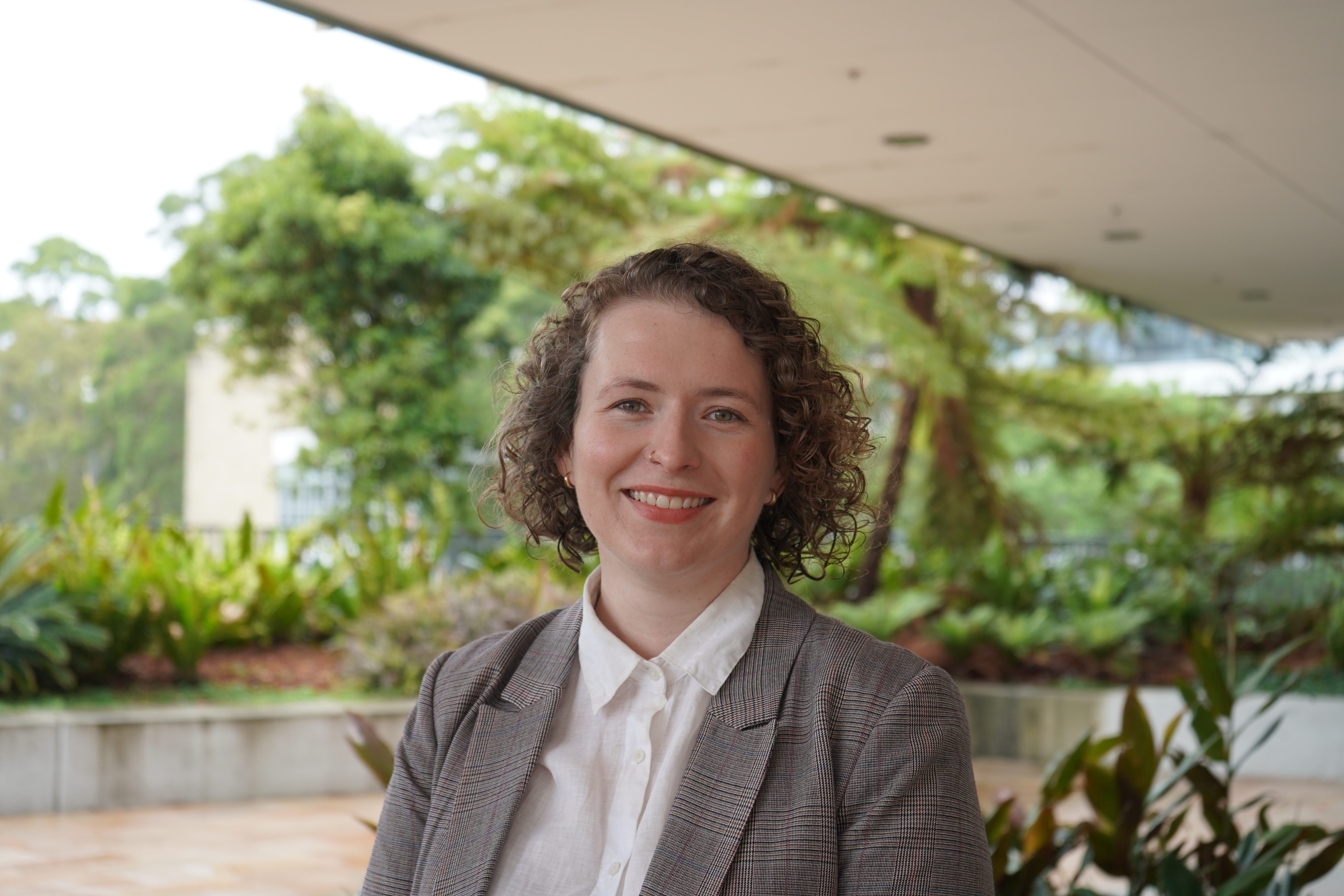
Manual Name : Dr Niamh Chapman
Manual Description : Senior Research Fellow, Faculty of Medicine and Health
Manual Address :
Manual Addition Info Title :
Manual Addition Info Content :
Profile image : /content/dam/intranet/images/medicine-and-health/news-and-events/2025/May/niamh-chapman-.jpg
Manual Type : profile
_self
Auto Type : contact
Auto Addition Title :
Auto Addition Content :
Auto Name : true
Auto Position : true
Auto Profile image :
Auto Phone Number : false
Auto Mobile Number : true
Auto Email Address : true
Auto Address : false
UUID :
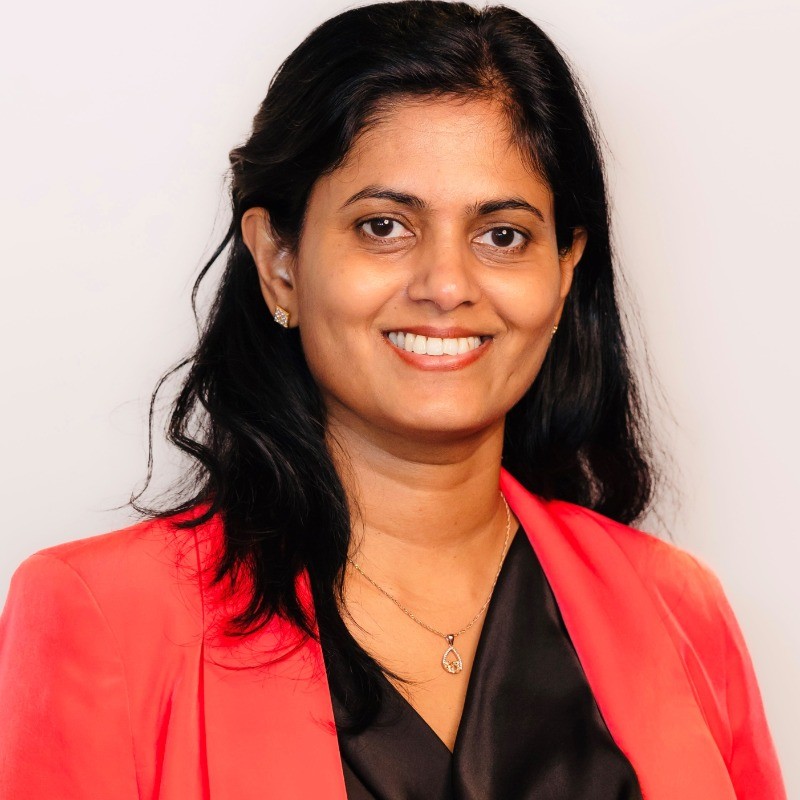
Manual Name : Dr Mehala Balamurali
Manual Description : Senior Research Fellow, Faculty of Engineering
Manual Address :
Manual Addition Info Title :
Manual Addition Info Content :
Profile image : /content/dam/corporate/images/faculty-of-engineering-and-information-technologies/faculty-our-people/mehala-balamurali.jpg
Manual Type : profile
_self
Auto Type : contact
Auto Addition Title :
Auto Addition Content :
Auto Name : true
Auto Position : true
Auto Profile image :
Auto Phone Number : false
Auto Mobile Number : true
Auto Email Address : true
Auto Address : false
UUID :