
The Charles Perkins Centre (CPC) EMCR Committee, led by current chair Dr Derek Tran and incoming chair Dr Monica Liu, is a prime example of how researchers can thrive when their environment provides opportunities for them to do so. The committee supports early and mid-career researchers across the multiple disciplines that are part of the CPC by providing strategic initiatives with an emphasis on collaboration, inclusivity, and alignment with its community’s needs. Operating alongside strong engagement from leadership, the CPC EMCR Committee is able to generate a space where its researchers can access the support and resources needed to pursue their ideas.
The Committee has inherited a solid structure, with early-to-mid career researcher support embedded in the CPC’s foundation. Still, each member is responsible for the committee's success, with collaborative subcommittees established to bring everyone’s strengths into the Centre’s offerings. It’s a model that allows for maximum productivity across its many initiatives that include funding, skills development, networking, and sessions on topics such as grant writing and career pathways. Here, Dr Tran and Dr Liu discuss what makes the committee such an asset for CPC’s researchers.
Can you introduce your roles in the committee, and what made each of you want to become involved in leadership?
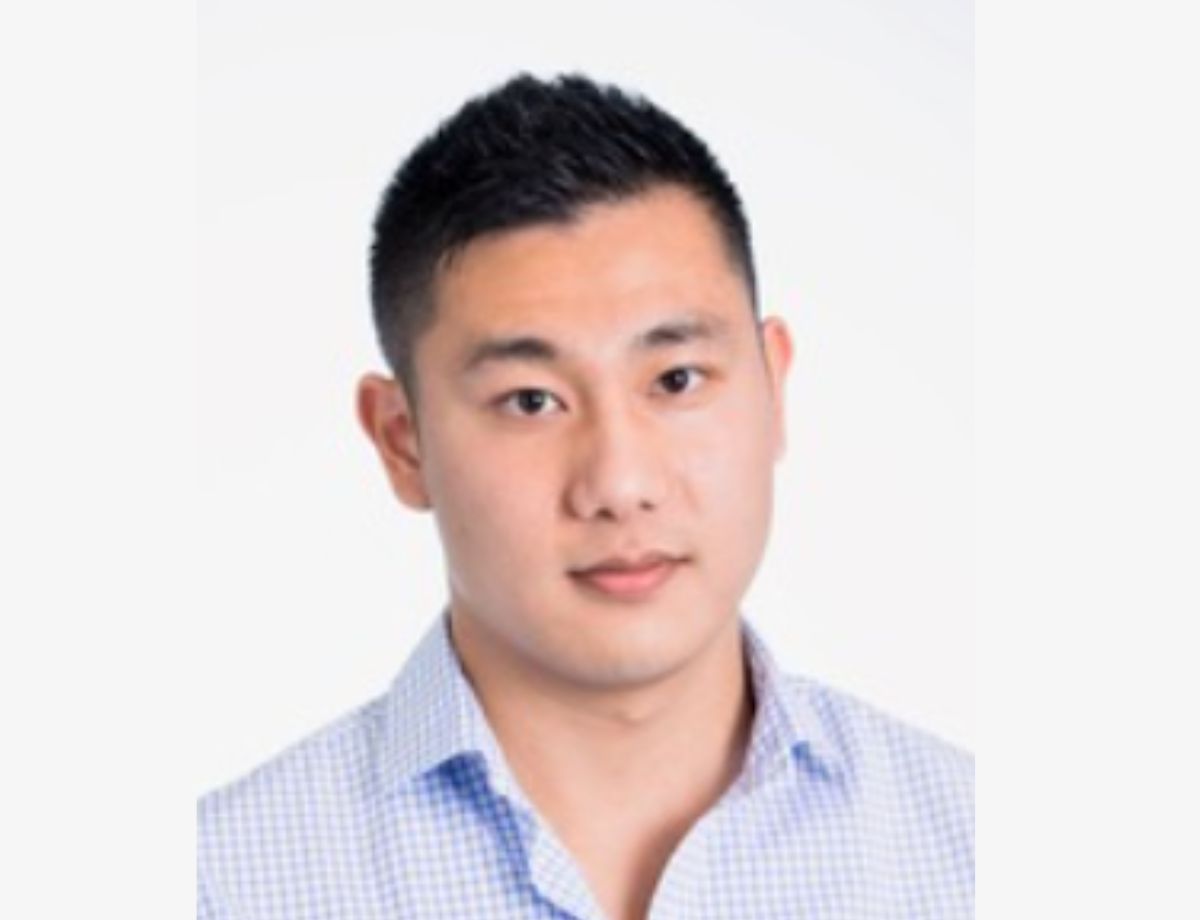
Dr Tran: I’m from the Medical School, I’m a Heart Foundation Fellow and an early career researcher, and I’m the current chair of the CPC EMCR Committee. I hold that position for a three-year term.
I saw the role as an opportunity to contribute at an institutional level and improve the environment for EMCRs. The academic landscape for EMCRs has changed so much in the last five to 10 years, and I wanted to make sure we represented our EMCRs and provided opportunities and initiatives that would help them be competitive in the contemporary academic landscape. My primary reason for joining was to use the committee to establish those opportunities for EMCRs.
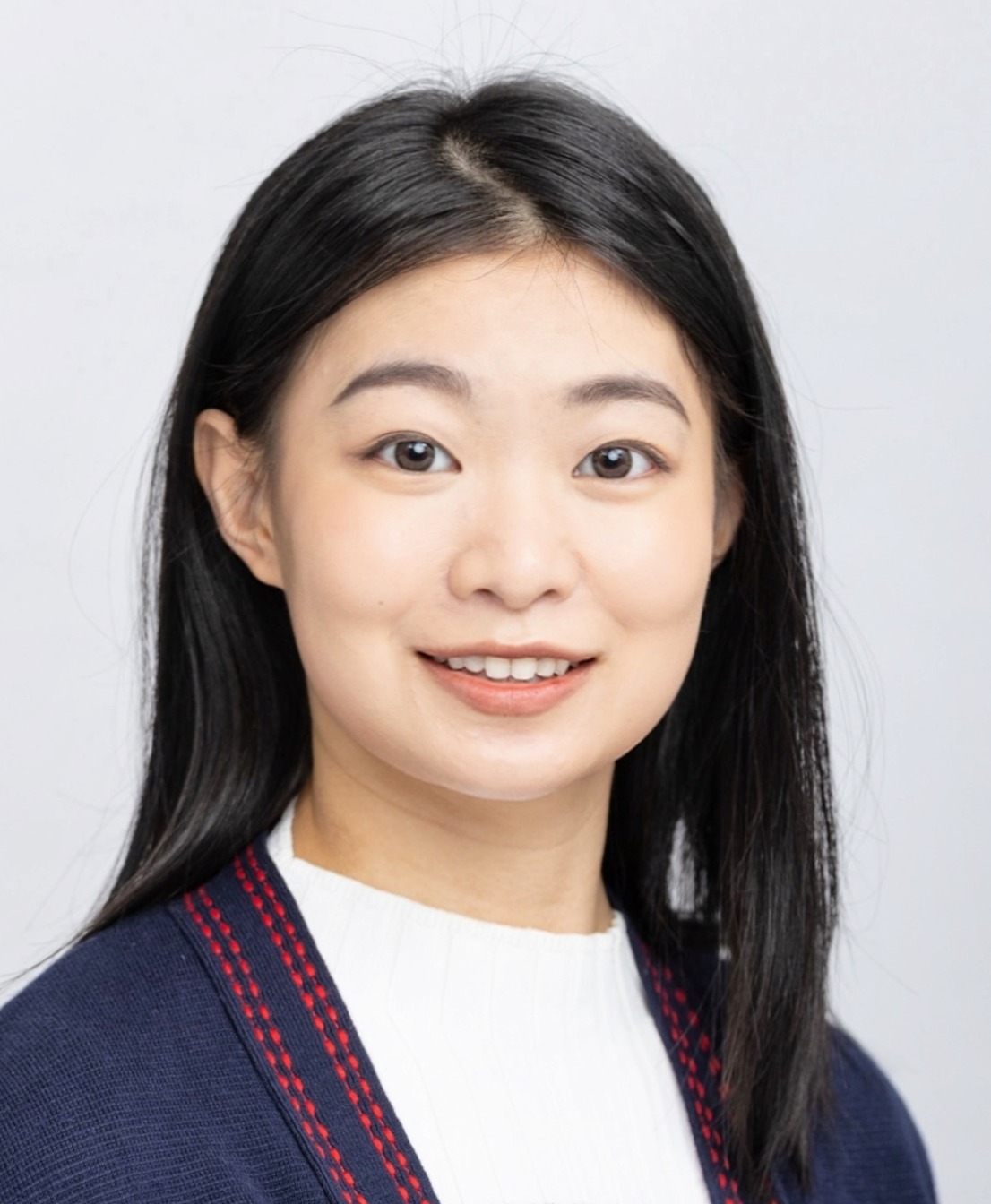
Dr Liu: I’m the incoming chair of the CPC EMCR Committee. I’m a dietitian by training and currently a clinical trial lead dietitian focused on a large diabetes trial. I’m “locally brewed” at CPC. I did my Master’s here and then my whole PhD, so it’s been a long journey. I’ve grown within CPC and met so many wonderful people.
After my PhD, I had a very busy year as an education-focused lecturer and didn’t have much time to take on a leadership role. But I was serving on faculty subcommittees, and that gave me a growing interest in taking on more leadership responsibilities, benefiting others and contributing back to the community. I saw the call in the newsletter at the end of last year and decided I should give it a go - I really just wanted to serve on the committee and get a better idea of how an EMCR committee works.
How is the committee structured, and how do members contribute?
Dr Tran: Each committee member has a specific role that helps keep the operational and logistical aspects of the committee going. For example, we have communications officers responsible for disseminating EMCR news, managing emails and producing newsletters. We also have positions such as treasurer, which is responsible for looking after the budget, making sure we’re not in the red, but also making sure we’re actually spending that budget and allocating it in the most inclusive way possible. We represent every EMCR stage, from early postdocs through to mid-career researchers, and we also support PhD and HDR students.
On an organisational basis, that’s how we operate, but each committee member also contributes to specific initiatives that they self-nominate for. For a particular funding scheme, for example, we might have two committee members lead it, with someone who has led that scheme in the past advising them. There’s a succession plan from year to year.
For some initiatives, we form subcommittees. That gives other members an opportunity to contribute and develop their leadership skills. The upcoming CPC EMCR Symposium is an example: we run an EOI process so people can become involved in organising it and develop their leadership skills through that experience.
Dr Liu: When we recruit new members through an EOI, people apply for different roles based on what they’re interested in contributing to. We have quite specific divisions within some roles. For communications, for example, one person might focus on the newsletter, one on social media and another on responding to emails.
That means everyone can contribute to an area they’re interested in, but it also helps divide the workload. Everyone has a full-time job, so we want to make sure the committee runs smoothly without affecting people’s daily work too much.
How large is the committee, and approximately how many EMCRs does the network support?
Dr Tran: We have about 12 committee members.
In terms of the wider community, it’s difficult to keep track because there’s a lot of turnover among EMCRs, but our last estimate was more than 1,400 people active on the mailing list.
Dr Liu: It’s tricky because we also have people across different parts of CPC, including Westmead, and not all HDR students sign up to the mailing list, which is our main communication channel. It’s a running list, so ideally it would be constantly updated, but that doesn’t always happen so we don’t have an exact number.
What are your strategic priorities for supporting EMCRs, and what has informed them?
Dr Tran: It was really in response to how low the success rates have become for Category 1 grants. We broke it down into four general areas where we could target initiatives and give EMCRs opportunities to improve their track records or career development. One strategic priority is improving researchers’ track records through things such as seed funding and awards.
Another is skills development. The CPC EMCR Symposium, for example, gives EMCRs an opportunity to develop their communication skills. In the past we’ve also run workshops such as how to write about your top ten publications for grant applications.
Another priority is networking and collaboration. A big aspect of our MDI and CPC itself is fostering collaboration, so by hosting events we hope to bring people together and allow them to network and collaborate effectively.
The final area is career development and career pathways. That’s something that has come through strongly in feedback from our members. Sometimes that means bringing in industry panels so CPC EMCR members can see what other opportunities are available and where their careers might go.
Dr Liu: Another important area for us this year has been giving more opportunities to research support professional staff who are also EMCRs. Research support professional staff can still be doing research-related activities but have traditionally been excluded from some funding opportunities because they aren’t in academic positions. That’s one very important initiative we’ve introduced this year, and we’ll see how it develops.
Networking is also important because we’ve all experienced those early HDR years when you don’t necessarily know who to connect with, what the best communication channel is or who the right point of contact might be. We’re trying to reach HDR students through the EMCR newsletter so they know there is a point of contact. We also try to introduce ourselves to people and build rapport and connections with the community.
What are some of the main programs, events and initiatives you run to support EMCRs?
Dr Tran: Our main flagship schemes have traditionally been our seed, travel and professional development funding, which address multiple priority areas, particularly track record development.
This year we’ve also started a new initiative around EMCR supervision, which is intended to help EMCRs develop their supervisory capacity while also helping researchers who are at a very early stage and potentially about to begin their journey into academia or the EMCR landscape.
Another new initiative we’re running this year is an academic summit, which is being developed in collaboration with the Faculty of Medicine and Health EMCR Committee. That is planned for November and will focus on career development as well as several workshops.
In addition, we support initiatives run by other committees because, at the end of the day, we’re all trying to achieve the same thing. There’s an Early Career Women in STEMM Paper and Grant Writing Workshop that we’re sponsoring, for example, which also gives our members an opportunity to participate.
Dr Liu: We were also recently approached by a subcommittee member about supporting high school students who are interested in research. One of the HSC units involves research project development, and that’s when a lot of Year 12 students first start doing research and getting to know what research involves. We’re looking at collaborating with them to include interested high school students in parts of our EMCR Symposium. They would be able to participate in some sessions, receive feedback and have an opportunity to practise their presentation skills. I think that’s a meaningful way to extend our impact beyond the traditional academic setting and support the younger generation.
How do you decide which initiatives to run for your community?
Dr Liu: We discuss initiatives in the committee and, where required, have formal votes during our meetings.
Dr Tran: We also have an annual planning meeting at the end of every year where we plan our key initiatives for the following year. That’s where we develop our flagship initiatives. Things that come up ad hoc during the year are discussed as a committee and we try to implement them where it’s feasible.
A lot of the new initiatives we introduced this year were in response to feedback we’ve received. That doesn’t just come through formal surveys; it also comes through talking to people and touching base informally. Most of us are within the main building, so we’re able to get that feedback directly.
Which kinds of opportunities tend to attract the strongest engagement from EMCRs?
Dr Tran: The biggest one, based on feedback, is the Seed Funding Grant Scheme because it gives people an opportunity to build a funding track record and hopefully acquire pilot data that can then be used to apply for external grants. It doesn’t come with formal training, but applicants have to submit a proposal, so the process itself gives them practice in applying for an external grant. That’s the training aspect of it. For other activities and events, it’s variable and really depends on career stage.
Dr Liu: We try to avoid the busiest teaching periods or times close to the end of semester because everyone is too busy to attend a workshop. Even practical things make a difference. For one of our welcome events this year, we held the morning tea after 10.30am because that’s when people can park on Parramatta Road and come in, and we had much higher attendance.
We’ve also had a lot of support from the executive team. Professor Leanne Redman, our director, is very enthusiastic and has run a number of workshops and events, and that has helped us achieve very good attendance.
- CPC EMCR Welcome Event
- CPC EMCR Symposium
- Funding schemes (Seed Fund, Travel Fund, Professional Development Fund)
- Grant Writing Workshop
- BMC Burnout Workshop
- International Women's Day event
- Academia and Beyond Summit (in collaboration with FMH)
How do you encourage members to attend events?
Dr Tran: Our main form of communication is the CPC mailing list, which reaches most of our members. We also disseminate information through the screens around CPC.
In terms of encouraging people to attend, I think it’s about aligning events with their priorities and what they find beneficial. It’s about understanding what people actually see as useful.
How do you keep members engaged between events?
Dr Liu: We keep members engaged through regular newsletters, promotion of events and opportunities via CPC communication channels and screens, and active representation of EMCR interests at executive and operations meetings. Committee members actively communicate with EMCR colleagues to understand their priorities, share opportunities, gather feedback, and encourage participation in upcoming committee initiatives and networking events.
Can you share an example of a creative idea or unexpected success?
Dr Tran: One recent example is our collaboration with the Faculty of Medicine and Health EMCR Committee on the upcoming Academic Summit. One of our priorities has been to extend our reach and support EMCRs at a broader University level, so I think that has been a good win for us and a good direction to continue in.
Have there been any standout outcomes or impact from your initiatives?
Dr Tran: We’ve definitely had people use the funding schemes to leverage external success. Many members who have been successful through our seed or travel funding have subsequently been successful in external fellowships, particularly major schemes such as NHMRC Emerging Leadership fellowships. We had quite a good year as a Centre in terms of success in those schemes. Obviously, it’s difficult to establish a direct link, but we would say our initiatives may have contributed to that.
Dr Liu: The travel and professional development grants primarily support researchers to attend international conferences or interstate conferences. They can support costs such as flights and accommodation and make sure researchers are able to travel and disseminate their results on behalf of the University and CPC. That also has the potential to lead to future collaborations and allows researchers to disseminate their findings to a broader audience.
Based on your experience, what advice would you give other EMCR committees or networking groups?
Dr Tran: Try to develop and align initiatives with the current needs of EMCRs. The key is identifying those needs, working with the community and understanding what would actually be beneficial to them.
Dr Liu: I wouldn’t necessarily call it advice because different EMCR committees are serving different institutions and organisations, and the context can be quite different. I agree with Derek that it’s really about understanding your context, understanding the centre you’re serving and understanding the people around you.
Building good rapport is important – talking to people you know and talking to people you don’t know. We encourage committee members to introduce themselves within their friendship circles and lab groups, so more people are aware of the existence of the committee and the initiatives available. That’s how we improve our reach.
More on our EMCR networks
Contributors
Manual Name : Dr Derek Tran
Manual Description : Heart Foundation Postdoctoral Fellow, Faculty of Medicine and Health
Manual Address :
Manual Addition Info Title :
Manual Addition Info Content :
Profile image : /content/dam/intranet/images/medicine-and-health/news-and-events/2024/november/derek-tran.jpg
Manual Type : profile
_self
Auto Type : contact
Auto Addition Title :
Auto Addition Content :
Auto Name : true
Auto Position : true
Auto Profile image :
Auto Phone Number : false
Auto Mobile Number : true
Auto Email Address : true
Auto Address : false
UUID :
Manual Name : Dr Monica Liu
Manual Description : Clinical Trial Lead Dietitian, Central Clinical School, Faculty of Medicine and Health
Manual Address :
Manual Addition Info Title :
Manual Addition Info Content :
Profile image : /content/dam/corporate/images/researcher-development-hub/emcr-community/monicaliu.jpg
Manual Type : profile
_self
Auto Type : contact
Auto Addition Title :
Auto Addition Content :
Auto Name : true
Auto Position : true
Auto Profile image :
Auto Phone Number : false
Auto Mobile Number : true
Auto Email Address : true
Auto Address : false
UUID :