
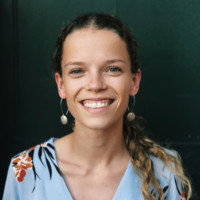
What does it take to build an EMCR group from the ground up? For chair Dr Jenna Smith and the new Cancer Research Network EMCR Working Group, the answer starts with listening to researchers, building connections and collaborating closely with other groups across the University. Nearly six months in, the group has released a Publication Prize, is co-badging an upcoming event on career development, and is seeking input from its community on how it can best serve their needs. Below, Dr Smith reflects on how the group is getting started and what it hopes to achieve before the end of the year.
Can you start by introducing your group, and the faculty, school or affiliations it has?
The Cancer Research Network brings together cancer researchers across the University. This is mostly overlapping with the Faculty of Medicine and Health, but there are also EMCRs and researchers more broadly from other faculties.
The Cancer Research Network has been around for a very long time — it’s celebrating its 20-year anniversary. The EMCR Working Group is part of the Cancer Research Network leadership group convened by Anna DeFazio. We started this year and we’re working for EMCRs within the CRN.
Can you tell me about how the EMCR working group is structured?
There are four others in the working group. We don’t have specific roles within the group at this stage. We’re delegating activities and establishing what we want to do. There’s definitely room for the group to grow and evolve into 2027.
Why did you decide to take part in the working group?
The others in the group and I wanted to make sure the Cancer Research Network was doing what it could to support early- and mid-career researchers. We wanted to make sure we have cancer research-specific opportunities that are unique to cancer researchers earlier in their career, but also link up with what is already happening through other early-career committees.
So the decision was twofold: making sure we’re providing opportunities and initiatives for early-career researchers in our network, which is what we’ve started scoping and why we developed a mailing list, but also linking up with existing things that are happening, for example with the FMH EMCR group.
What have you been doing to get the group off the ground?
The main thing we’re doing is establishing a mailing list and making sure we’rereaching EMCRs who are cancer researchers across the University and that we weren’t missing individuals or groups of individuals. That can be a challenge because we are predominantly Faculty of Medicine and Health, but there are people who potentially aren’t hearing about what we’re doing in the CRN. That was our main priority to start with.
We launched a survey on what our EMCR community needs, and by doing that we were also getting communication out about the fact that our group exists, which is an important step. We have also now been working on our new publication prize initiative, which is something we hope to continue in future years.
How many EMCRs does your group support?
We already have over 130 cancer EMCRs who have signed up for our mailing list, which is great. We’ve had people helping us get the word out about the mailing list and getting people onto it.
What are your main goals and focus areas as you move into the next year?
One part is understanding what the needs are. We know that often it is things like seed funding for cancer researchers, and researchers more broadly. We want to explore and advocate for EMCRs in the CRN around opportunities like that in the future, but we also want to scope opportunities to support existing initiatives so we’re not duplicating other group efforts.
What programs, events or initiatives do you currently have planned?
Right now, we have the publication prize, which will be open for a month. There will be six prizes available to cancer researchers for a publication, assessed on its quality, its impact and the individual’s contribution to it.
The second initiative for the end of the year is supporting a career development day happening end of year (announcement soon to come). That will be a co-badged event between the FMH EMCR Committee, the Digital Health Informatics Network, and CPC’s EMCR group. An ongoing focus for us is how we can support cancer researchers, make sure they’re included, and make sure they know about events and opportunities that already exist at the University for EMCRs.
We don’t want to duplicate things that are already being done. We want EMCR groups to work together across the University, so finding opportunities to co-badge events is a good example of that.
We hope it will be a bigger event that brings together EMCRs from various disciplines who have many of the same concerns and needs. It’s themed around career development because we know, both from our survey and from other EMCR committees, that this is something EMCRs want to talk and learn about, whether that’s academic careers or alternative career pathways.
We are also supporting the CRN’s Postgraduate Student Working Group and their symposium on 16 November. We are currently reviewing abstract submissions.
How are you deciding which initiatives to run?
It’s a combination of what we saw from our survey and what is feasible in terms of the Cancer Research Network support and resources we have access to. It’s early days and we’ve got ideas for other things we’d like to run if we’re able to access the resources to support them in the future.
How are you planning to encourage members to attend activities and stay connected?
We’ve established the mailing list, and communications will also go through the Cancer Research Network more broadly. That reaches researchers at the University, but also researchers who are affiliated both with the University and with other research institutes or teaching hospitals that conduct cancer research.
We also have a nice line of communication with the Faculty of Medicine and Health EMCR Committee, where they have a specific communications liaison role. That helps keep two-way communication going across the faculty and the other EMCR groups.
Compared with some of the other committees, we are a smaller group catering to a smaller community. We’ll do what we can, and we also have good support from the Cancer Research Network admin team, which is really helpful.
What have you learned in your first six months as chair about governing a group and getting it off the ground?
The main thing is that things are going to have more reach, be more effective and better suit the needs of EMCRs if we work together. With a number of committees servicing EMCRs, there is the concern that we all end up trying to achieve similar things. Of course, there are things that are unique to our own contexts, but if we keep communication open — not only within our own groups, but across the groups — that will help us get more bang for buck in terms of making sure our resources align where possible.
In previous years, I’ve found it can be a struggle to organise events and not get a huge deal of buy-in sometimes. It’s exciting to be able to work together more and plan an event together. This is our first try at a really co-badged, bigger event, so we’ll see how that goes. But the main take-home is working together.
What else would you like people to know about the CRN EMCR Working Group?
Firstly, it’s knowing who we are and that we exist. We also have the publication prize initiative, so it would be great if people apply for that.
EMCRs are invited to let us know if there are particular ideas for things we can do. Otherwise, we’ll be working together with the CRN leadership group more broadly to really advocate for EMCRs.
More on our EMCR networks
Manual Name : Dr Jenna Smith
Manual Description : Helen and Robert Ellis Postdoctoral Fellow, Faculty of Medicine and Health
Manual Address :
Manual Addition Info Title :
Manual Addition Info Content :
Profile image : /content/dam/intranet/images/medicine-and-health/news-and-events/2021/september/jenna-smith.jpg
Manual Type : profile
_self
Auto Type : contact
Auto Addition Title :
Auto Addition Content :
Auto Name : true
Auto Position : true
Auto Profile image :
Auto Phone Number : false
Auto Mobile Number : true
Auto Email Address : true
Auto Address : false
UUID :