
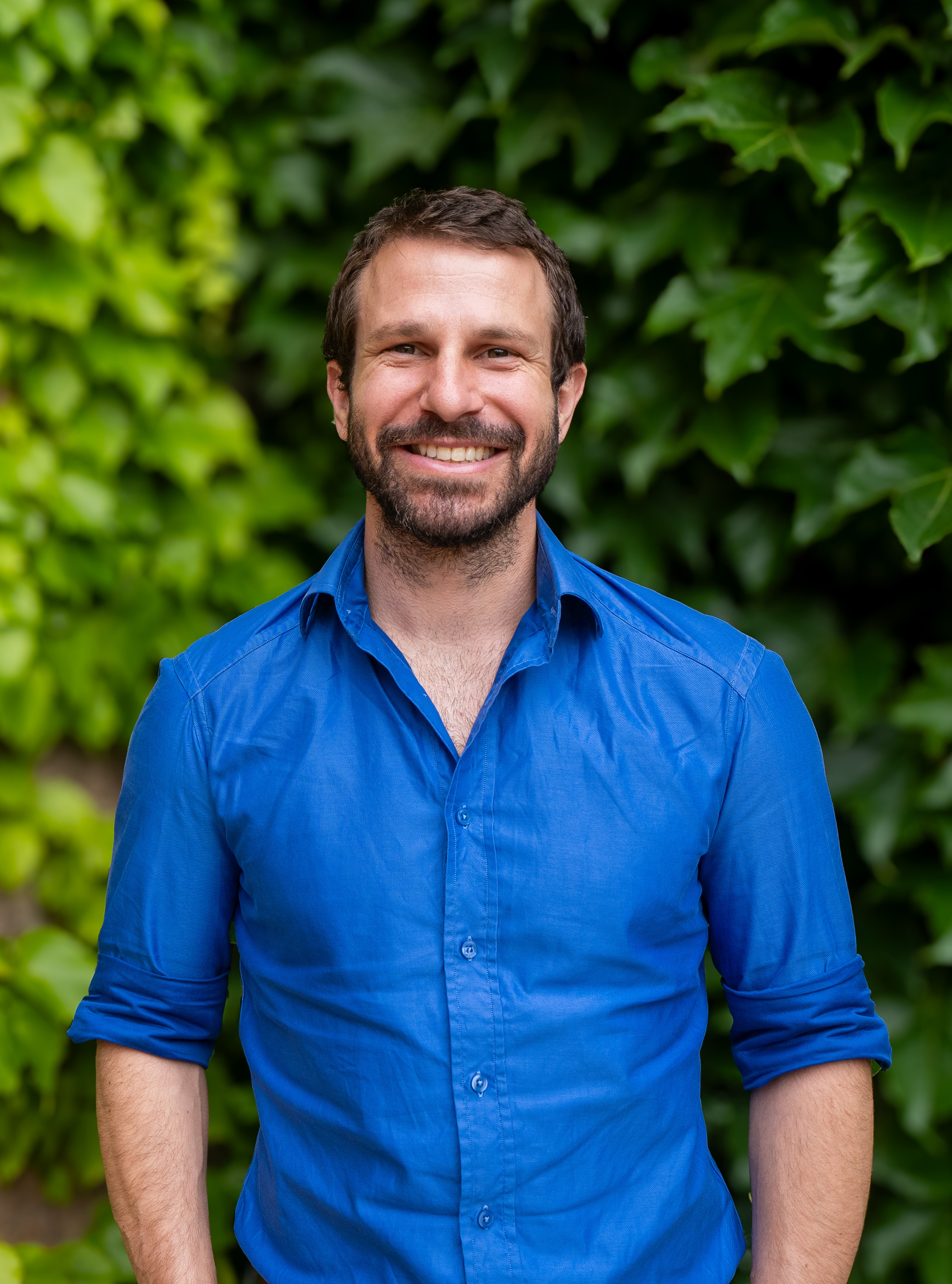
Advice that comes from inside the community itself is an asset for researchers embarking on Indigenous research, and the University of Sydney is fortunate enough to have key knowledge shared by those who are deeply connected to their roots. One of those is Dr Mitch Gibbs, a Thunghutti man through kinship of the Dunghutti nation and a Senior Research Fellow on Indigenous Knowledge at the Faculty of Science, who we spoke to as part of our exploration of Indigenous research with perspectives from both within and outside community.
Dr Gibbs didn’t set out intending to be an authority in Indigenous knowledge. Like many scientists, he began his PhD with a quest for knowledge – marine biochemistry, to be exact. It was when he wanted to incorporate the knowledge from the Worimi Indigenous community into his PhD that he realised how much work there was to do in recognising Indigenous knowledge in the University. “I was working in Port Stephens and wanted to incorporate knowledge from the community there,” he says. “I couldn’t, because it wasn’t peer-reviewed. Once I’d been recognised in the university space, I had a platform that could help people listen and understand that Indigenous Knowledge is real and valuable. From there, I started looking at ways I could work with different communities and show the knowledge we have in Indigenous culture – and hopefully make the environment better because of it.”
It was important to Dr Gibbs because he knew that the knowledge held in the community is integral to the knowledge of the environment. “The community I was working with in Port Stephens – the Worimi people there – had always spoken about how important oysters were for their community. I knew they had deep knowledge about that, and I wanted to be able to show that when we’re talking about climate change, which is what my PhD was on, we’ve seen change before.” Years in, Dr Gibbs has many words of advice for those working in Indigenous-led research.
Respect is key
Dr Gibbs emphasises that when approaching communities, it really does not matter what your status is. “Indigenous communities don’t really care what your title is or how important you think you are,” he says. “They’re happy to talk to you, and if you show them respect, you’ll get respect back. A lot of academics think, ‘I’ve done this much research, so people should be listening to me.’ But if you go in with that mindset – if you think you’re going to teach communities about their own environment – they’re not really going to want to work with you.”
It’s also important to rethink the word “engagement” when it comes to Indigenous-led research.
One of the Aunties up in Arnhem Land always says, ‘We’re sick of being engaged – we want to be married.’ And that’s exactly it. If I want to work with another researcher, we’ll talk things over, listen to each other’s ideas, sit down, have coffee –and it’s not a one-time thing. But for some reason, when people want to work with Indigenous communities, they think one meeting is enough and then they should get everything they want.
Dr Gibbs
Especially when working with Community Elders and Knowledge Holders, Dr Gibbs stresses the importance of being humble. “The biggest problem I see is people going into communities and saying, ‘Hello, I’m Dr So-and-so,’ or ‘I’m Professor This.’ Community members don’t care what your title is. They don’t care whether you’re a doctor, a professor, or anything else. If you lead with that, you’re already setting it up as: I have an education and you don’t. People don’t want to hear that.
“If you go in as a normal person and say, ‘Hey, I’m Mitch. I work at Sydney Uni, but I’m really here to listen,’ people will want to talk. But if you go in already announcing what you have, you’re positioning yourself above them. So when you’re talking to Elders and Knowledge Holders, understand that they are Knowledge Holders. And let them talk. One of my Uncles always told me: you should only talk if you’re adding value. If you’re not adding to the conversation, don’t say anything. He also used to say that ‘silent” and ‘listen” have the same letters in them.”
It’s all about the relationships
On this equal playing field, true relationships can take shape – which is what Dr Gibbs emphasises that it’s all about. This kind of relationship-building should be the first thing on any researcher’s agenda. “I work quite closely with the La Perouse community, and that’s because even before I started working at the University, I was spending time with community there just to form relationships,” he says. “That’s the major thing. For Indigenous communities, it’s about forming relationships.”
When it comes to outputs and grants, the connection is paramount. “Every single community I’ve worked with wants to talk to people, share their knowledge, and be recognised for the knowledge they have,” says Dr Gibbs. “If you go and spend time, you’ll see that. But a lot of people in research are focused on getting grants, not building connections.
“I think if you spend time building relationships, the grants will come later. And your research questions will be much deeper and richer, because Indigenous Knowledge is communal. Once you start talking to people, they’ll introduce you to others.”
Acknowledge their incredible contribution
There has historically been tension between the institution and Indigenous communities over ownership of knowledge and attribution. Dr Gibbs stresses the importance of consistency and acknowledgement. “We’re always taught that if someone contributes intellectual property to a paper, they should be named,” he says. “Indigenous community members share intellectual property all the time, but for some reason they’re often not named. There’s a hard rule when it comes to researchers in academic spaces, but somehow it doesn’t apply when the knowledge comes from outside the university. That makes no sense. If you worked with a professor and didn’t name them, they’d be upset and probably wouldn’t work with you again. The same thing applies with community.”
When publishing, Dr Gibbs ensures that, “authorship reflects community. For example, listing Dharawal community representatives where appropriate. But again, for many people, the journal article is not the important part.
The important part is how the knowledge is returned and shared in ways that matter to them.
Photos from the Global First Nations Restoration Network with marine stewards from New Zealand, Fiji and Canada. In the header, Gamay Rangers and La Perouse Cultural Fishing group. Above, a panel discussion held with the Sydney Environment Institute titled "Voices of Restoration".
Co-design your research and consider meaningful outputs
Community members can often see through a hastened agenda, which goes back to the absence of relationship-building. It is crucial that they are involved not just in the data but also the research question and design if it is truly an Indigenous-led project. “I’ve had people want me to be part of ARC projects, for example,” says Dr Gibbs. “The whole point of the project was to incorporate Indigenous Knowledge, and they hadn’t spoken to the community about it at all. When I asked, they said, ‘No, but that’s what the three years are for.’ And I said, no – if you go to community with a project already designed and just expect them to join, they’ll most likely say no. That’s not collaboration. That’s a researcher deciding what matters and then trying to slot community into it.”
Being accountable for outcomes that are relevant to the community extends beyond track records and publishing. True impact involves their input into what that means. “For example, if I’m putting in a big grant and we’re doing yarning circles and collecting information, that’s all well and good, but what is the community going to get from it?” says Dr Gibbs. “From an academic perspective, we talk about ownership of knowledge and all that, but in a community sense, that doesn’t necessarily mean much. It’s useful for the academic system to know where the knowledge came from, but a lot of Elders aren’t going online to read journal articles and check whether their name is there.
“So we need to do something that is actually beneficial to community. When I talk to Elders or Rangers or others, they might say, yes, the yarning circles are good, but maybe they also want a cook-up on the beach where we share the project outcomes back with community. Or maybe they want a video. It could be any number of things. The point is to ask what works best for them.
Safeguards for community are a priority
When working with community, making people feel safe is crucial. That is why developing trust is the backbone of these relationships, which includes informing the community about their rights and respecting their privacy.
“You can say, ‘Don’t worry, I’ve got ethics approval,’ but that doesn’t mean much to community if they don’t understand what that protects. For example, if I tell you my life story in an interview, ethics might say that story is mine, but the recording itself is usually yours under copyright, and because the University pays you, the University owns that copyright. So community needs to know what protections are actually in place.
“That’s why I do a lot of work upfront to understand these systems and make sure communities know they’re safe. I create contracts with communities stating that copyright, ICIP, and all of that stays with community. Any Indigenous Knowledge, whether under copyright or ICIP, remains with the community. Those kinds of safeguards matter. Communities haven’t always had that protection, and if we can make sure they feel safe, they’ll feel safer working with you too.”
When it comes to privacy, Dr Gibbs says it’s simple: “If the community says they don’t want something made public, then it’s not public. The way I’ve set it up is with green, yellow and red folders. Green is what the community says everyone can know. That can go out into the world. Yellow has some restrictions. It might be men’s business, women’s business, seasonal knowledge, ceremonial knowledge – things with conditions attached. Red is for knowledge that belongs only to certain families or is highly specific and not to be shared.”
A lot of keeping community safe comes back to the respect factor; building connections, establishing trust, and listening, and taking the time to let that arise.
Indigenous communities haven’t been allowed to have a voice about their environment, their organisms, the things that matter to them, for a very long time. If you say you want them to have a voice, then let them have one.
Dr Gibbs
More on research with community
Contributor
Manual Name : Dr Mitch Gibbs
Manual Description : Senior Research Fellow on Indigenous Knowledge, Faculty of Science
Manual Address :
Manual Addition Info Title :
Manual Addition Info Content :
Profile image : /content/dam/intranet/images/news/2025/february/mitch-gibbs-spotlight.jpg
Manual Type : profile
_self
Auto Type : contact
Auto Addition Title :
Auto Addition Content :
Auto Name : true
Auto Position : true
Auto Profile image :
Auto Phone Number : false
Auto Mobile Number : true
Auto Email Address : true
Auto Address : false
UUID :