
The Powerful Stories Network is just one of the many EMCR groups at the University of Sydney who create meaningful experiences for their colleagues to engage with and connect over. Funded by an EMCR Training Grant from the Researcher Development Unit, the network recently designed a full-day event Reimagining Community Engaged Research and Practice: Dialogues Between Early Career Researchers and Community Practitioners. The day involved a series of rich conversations that explored what it means to ethically and thoughtfully research with community.
The first session examined the role of identity, lived experience and relational accountability in community-led research, with speakers highlighting the need to shift power and prioritise listening, cultural safety and reciprocity. The second session offered a rare look into the co-design of an Indigenous research partnership in Kakadu, showing how trust, long-term relationships, strong Indigenous governance and blended knowledge systems can transform both methodology and outcomes. The final session brought creatives and community practitioners together to reflect on how art, storytelling and advocacy support refugees and migrants, illustrating how creative practice can hold trauma, build belonging and generate new forms of collective knowledge. Together, the sessions demonstrated that community-centred research is built on relationships, co-creation and care.
We sat down with the group’s founders Dr Niro Kandasamy and Professor Michael McDonnell and core member Dr Supriya Subramani to talk about the event and the group more broadly.
What was the purpose of the event you designed for the EMCR Training Grant Scheme, Reimagining Community Engaged Research and Practice: Dialogues Between Early Career Researchers and Community Practitioners?
Each of us, in our own imperfect ways, are learning what it means to do work that matters, work that lives both within and beyond the boundaries of our “disciplines.” For us, to work with communities, to be of them, or to translate our work to them, is to enter an ongoing struggle, and to ask how we can do so ethically, responsibly, and with care. Through our friendship and conversations in the Powerful Stories Network community, we kept returning to this: how do we hold ourselves accountable to the people and places our work touches? When the EMCR Training Grant Scheme was announced, we viewed it as an opportunity to gather those of us still finding our footing as community-engaged scholars and those community partners who have long been walking this path. The purpose of the event was simple: to create a space where early career researchers and community practitioners could meet as learners, share stories, reflect on failures and hopes, and imagine together what ethical, socially meaningful engagement might look like in practice.
How did you design the sessions? Why the topics, and the speakers?
The sessions grew out of the relationships and conversations we were already a part of, from a sense of trust and shared desperateness. Mike and Niro are deeply connected within the community research and practice space, and Supriya started working with her communities in Nilgiris, India, and we all leaned into those ongoing learnings and connections. We reached out to people we knew, people we trust, and those we wanted to learn from. It was more about gathering voices that spoke from lived commitment.
Each session unfolded from mutual interests and questions that had already been stirring among us. The first session, “The Significance of ‘I’ and ‘We’,” came from a shared sense of tension, between individual purpose and collective responsibility, something many of us have felt as both an existential and intellectual question.
The second, centred on the Kakadu World Heritage Rock Art project, emerged from Niro’s ongoing conversations with archaeologist Tristen Jones about her work alongside Traditional Owners and scientists. We wanted to understand how strong Indigenous governance shaped the project and how ongoing relationships made that collaboration possible. The third session brought us closer to those working at the intersection of community and art, the Creative Compass team at Settlement Services International. Their work with migrants, refugees, and people seeking asylum reminded us that belonging and resistance can be practiced through creativity, not just policy or research. These sessions were shaped by the hope of learning together.
What were some of the highlights of the day?
The day was filled with several highlights. The first session grappled with the complexity of situating the self in community-led and engaged research and practice. Drawing on discussions with scholars Amy Davidson and Vek Lewis, this session demonstrated the challenges of navigating community spaces as an ‘outsider’ and ‘insider’, and explored the reality of having to negotiate, compromise, and think collaboratively. Unsurprisingly, these were themes that resonated in the next session. There were not only incredible insights shared by both Indigenous and non-Indigenous experts about the project, but excellent questions raised by the audience about the team’s approach to collaboration, methodologies, and building trust. Each of the panellists offered engaging insights about ‘how’ they approach the project, making clear that its outcomes differ for everyone involved. The day ended with fascinating insights from refugees and asylum seekers about their creative projects, demonstrating the diverse ways that researchers might engage with communities. Of course, the highlights were not limited to the formal sessions, as break time became a critical space for connections between the audience and presenters. In sum, there were several highlights!
Why “reimagining”? What would you like emerging researchers to know about working with community in their research?
We wanted to reimagine the sorts of questions, practices and processes that EMCRs might need to consider if they wanted to pursue community-led or centred research. The workshop was designed to engage with some of the lesser-known aspects of this research practice through discussions with experts in a safe and collegial space – we are unaware of any workshops or symposiums that explored these themes and specifically targeted EMCRs at the university in recent years.
We wanted emerging researchers to hear about the challenges and rewards of working with communities in their research, being aware of the time it takes to engage with communities, the importance of building trust and relationships, and always foregrounding the needs of community over research outputs, to list just a few considerations.
Dr Supriya Subramani, Dr Vek Lewis and Amy Davidson in conversation at the Powerful Stories Network event
50
automatic
LinkAs several of our presenters highlighted on the day, such research can often lead to a more fulfilling, meaningful, and thoughtful outcome for everyone involved.
Can you tell me about the vision behind the Powerful Stories Network, and what you are trying to achieve for your members?
Powerful Stories came together from a series of conversations Niro and Mike had about forced migrations and the need to rely on stories of lived experiences to be able to write those histories. Both of us were looking at refugee stories, from quite different times and places. But as settlers, we also recognised that First Nations’ experiences of forced migration bound our thinking and ideas together. When Native American legal scholar N. Bruce Duthu visited in March 2024, it gave us an opportunity to reach out to academics and community members working on creative projects around Indigenous and refugee accounts of dispossession. We were overwhelmed by the response, and realised there were so many of us working on the edges of our disciplines, working collaboratively, doing community-engaged work and thinking creatively about how to “write back” against the settler colonial state.
We wanted to carry on the conversations, foster solidarities between often isolated researchers and projects, and amplify new and meaningful work. We found that there were many of us feeling constrained by disciplinary norms, and who were interested in thinking past those boundaries and the University to focus particularly on the stories of Indigenous and refugee communities. We did this in two ways - first by bringing together most of the presenters to showcase their work in a special issue of a journal as an example to historians as to what could be done if we pushed at our disciplinary borders, and second by creating the Powerful Stories Network. The group has grown by leaps and bounds over the last year, indicating a need for creating a space for this kind of work that is not always recognised as valuable by our disciplines or University structures and constraints.
Authors
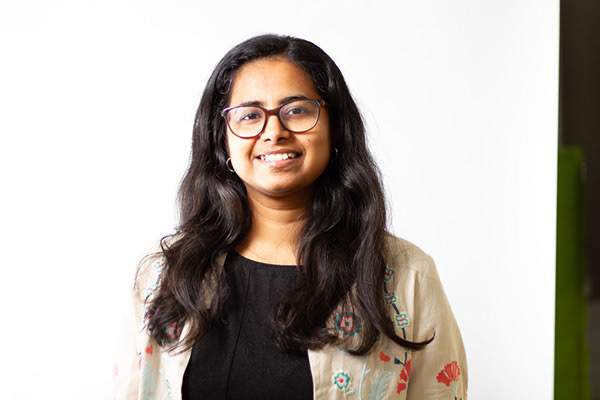
Manual Name : Dr Supriya Subramani
Manual Description : Lecturer, Sydney Health Ethics Sydney School of Public Health, Faculty of Medicine and Health
Manual Address :
Manual Addition Info Title :
Manual Addition Info Content :
Profile image : /content/dam/intranet/images/medicine-and-health/news-and-events/2024/03/supriya-subramani.jpg
Manual Type : profile
_self
Auto Type : contact
Auto Addition Title :
Auto Addition Content :
Auto Name : true
Auto Position : true
Auto Profile image :
Auto Phone Number : false
Auto Mobile Number : true
Auto Email Address : true
Auto Address : false
UUID :
Manual Name : Dr Niro Kandasamy
Manual Description : Lecturer in History, International and Global Studies, Faculty of Arts and Social Sciences
Manual Address :
Manual Addition Info Title :
Manual Addition Info Content :
Profile image : /content/dam/people/students/profile-and-headshots/niro-kandasamy.jpg
Manual Type : profile

_self
Auto Type : contact
Auto Addition Title :
Auto Addition Content :
Auto Name : true
Auto Position : true
Auto Profile image :
Auto Phone Number : false
Auto Mobile Number : true
Auto Email Address : true
Auto Address : false
UUID :
Manual Name : Professor Michael McDonnell
Manual Description : Professor of History, Faculty of Arts and Social Sciences
Manual Address :
Manual Addition Info Title :
Manual Addition Info Content :
Profile image : /content/dam/corporate/images/researcher-development-hub/emcr-community/michael_mcdonnell.jpeg
Manual Type : profile

_self
Auto Type : contact
Auto Addition Title :
Auto Addition Content :
Auto Name : true
Auto Position : true
Auto Profile image :
Auto Phone Number : false
Auto Mobile Number : true
Auto Email Address : true
Auto Address : false
UUID :