
The mid-career phase as a researcher is an exciting period. As projects grow and funding diversifies, researchers step into a phase of leadership that comes with heightened rewards and often new and varied responsibilities. The Researcher Development Unit’s Mid Career Researcher Leadership Program has been designed to fill a gap in support for researchers at this stage and provide them with the skills and knowledge to expand their research program and increase the impact of their research leadership.
For the first round of the program, 31 Level C and D researchers from across the University were selected after a competitive application process. Through a series of five half-day workshops over the course of three months, researchers learn what it takes to move into the next stage of their research journey. We spoke to four colleagues who participated in the inaugural round of the program in early 2026 to discover how it helped them address some of the challenges they have been facing.
A new phase of research leadership
For researchers, mid career is a time of increased complexity and scale in research management and leadership, which requires a mindset shift to balance these challenges and opportunities.
Dr Alexander Howard, Deputy Head of School in the School of Art, Communication and English, reflects that the program came at a point where he is starting to think beyond his research questions to his career at large. “One thing that came through really clearly in the program was the difference between research projects – which I’ve been focused on in my context, so journal articles, monographs and co-authored publications – and thinking more broadly about where I want to land career-wise in terms of research,” he says. Mid career means having a vision for what your research can achieve and, for many, scaling it up, so the opportunity to reflect on longer term research strategy is crucial.
For Dr Yuhong Fu, a neuroscientist with the Faculty of Medicine and Health, the Mid Career Researcher Leadership Program encouraged her to think about how to get herself and her work, out there. “From my neurologist background, I used to consider the most important thing to do is to do the best research, to get the best clinical translation, and to really use our research findings to contribute to any benefit for patients,” she says. “As long as we get the best research,” she continues, “people will know us.” But Dr Fu now sees visibility as a key strategy for advancing her research vision, enriching her research, amplifying opportunities, and contributing to the University’s profile through her work.
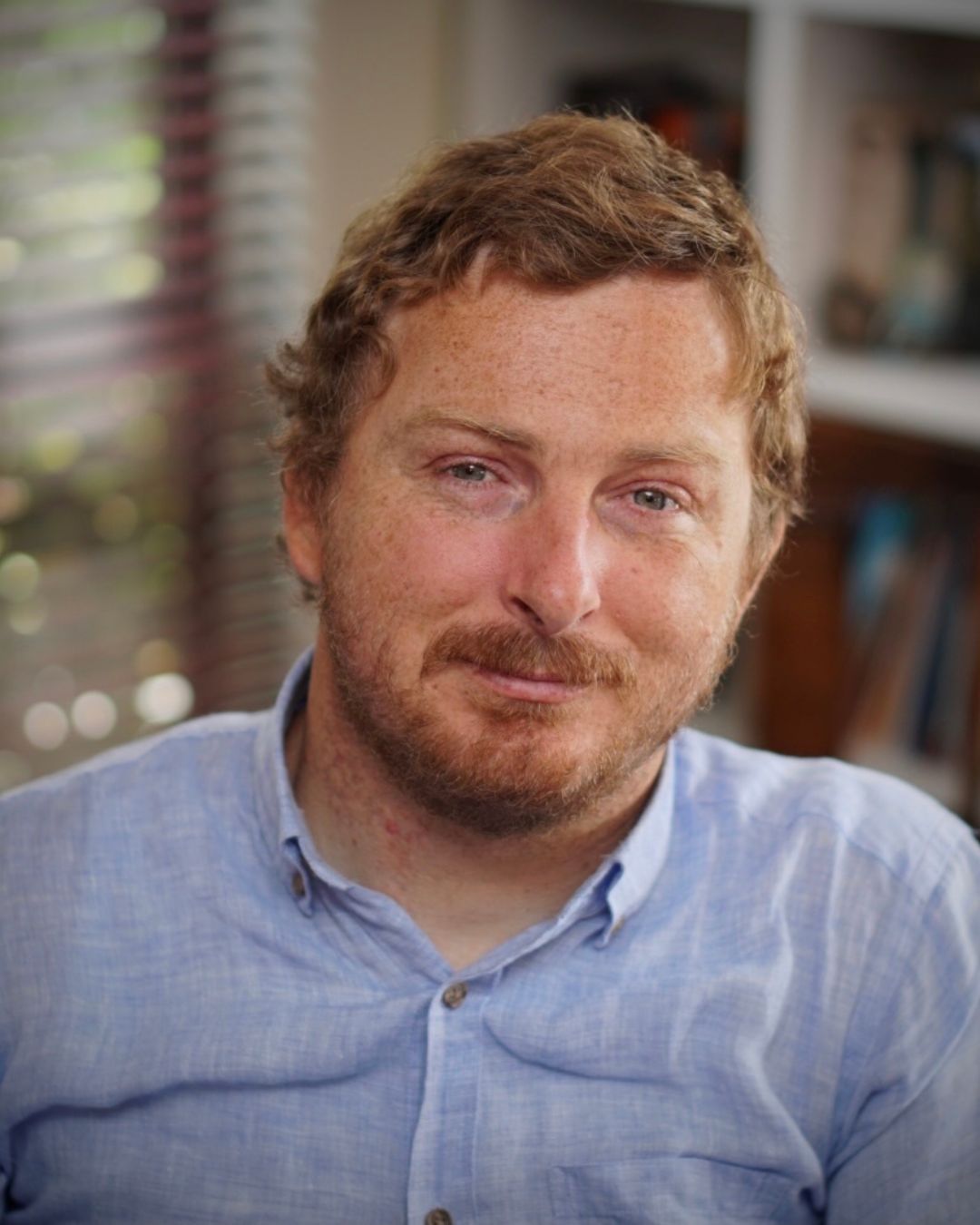
Dr Johnny Bourke, Senior Research Fellow at the John Walsh Centre for Rehabilitation Research at the School of Health Sciences, applied to the Mid Career Researcher Leadership Program to move into the next phase of research leadership. “I’m at the point where I need to start developing a research program of my own, as opposed to a jack-of-all-trades, master of none type thing,” he says. “I feel like I’ve developed good research skills, in terms of doing the actual research, and now it’s really important to learn how to manage teams to make sure they are as effective as possible.”
For Dr Bourke, effective team building ensures the collaboration is one that benefits the research the most.
You want people to enjoy working together,” he says. “If you get a good work culture going in a research team, that will naturally lead to good outcomes, especially when you’re involving people with lived experience, which I really like to do.
Dr Johnny Bourke
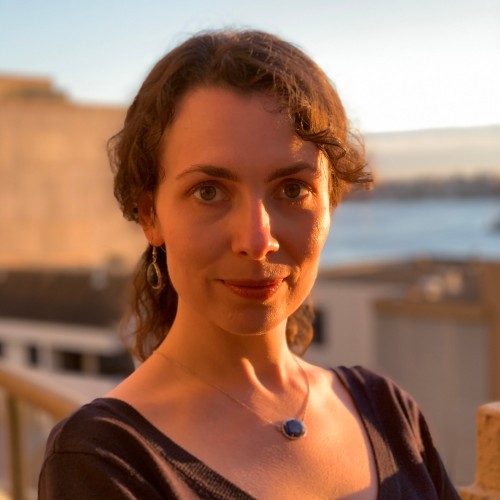
Likewise, at 10 years post-PhD, Associate Professor Julia Steinberg from the Daffodil Centre, a partnership between the University of Sydney and Cancer Council NSW, is navigating a step up in her career – and the mounting responsibilities that come with it. “I have increasing research leadership roles, program management and people responsibilities, and need to navigate research strategy and relationships on an expanding scale and strategically plan ahead how to secure funding for the team and for our work into the future,” she says. “The [Mid Career Researcher Leadership Program] was very specific and tailored to those challenges.”
Highlights from the program
With targeted sessions on team management, the program hit Dr Bourke’s goals early, particularly when it comes to learning how to create a positive environment for his colleagues. One notable workshop, Communication for promoting a positive research culture, “was about managing that balance of making sure you’re developing a research team that has great psychological safety, where people feel safe and it’s an environment where they’re happy to share their opinions and experience, so they won’t get shut down or criticised,” he says.
For Associate Professor Steinberg, the sessions around strategy and financial management, Planning and leading your research strategy and Research management in practice, stood out most. “The research funding landscape in Australia is incredibly competitive,” she says. “Funding rates have been decreasing, and that means that long-term strategy is vital to me.” But even winning grants comes with its own challenges that require extra guidance to navigate. “Having budgetary responsibility for a small team and millions in grant funding actually requires a lot of practical finance management skills,” says Associate Professor Steinberg.
“It was amazing to have some great presentations and a panel there who we could ask questions of. It has helped me set up a much better approach for how we manage finance in the team, including some valuable tricks for how to navigate the My Research Funding Portal, and how to use it best versus when to seek specific help from the finance partners. I hope that will help me better manage the budget but also means that I make the best possible use of both the systems and the people on the administrative side.”
For those trying to traverse the politics and complexity of academia, the workshop on Navigating power and purpose provides some clarity on how to move forward.
Quite often, especially as somebody with a more diverse background coming into academia, it feels like there’s a playbook that everyone has except for you. Navigating the politics and some of those interesting power dynamics that can arise can be a big challenge. Hearing a very frank description of some of these aspects was incredibly illuminating.
Associate Professor Julia Steinberg
Although the mid-career experience can be different for those in HASS disciplines, Dr Howard says he found the sessions relatable and illuminating. “We had a fascinating session on the challenges of managing teams [Research management in practice], and managing difficult conversations [Communication for promoting a positive research culture],” he says. “In my space, to generalise, senior academic work in [literary studies] can be quite individualised. We do collaborate and we look to collaborate, but there isn’t necessarily the same expectation that we’re always working in large teams. But as we move up, we all take on different roles and service responsibilities as well. So it was useful to think about how to strategise when you’re working with other people.
Shared learnings from established leaders
Being in a room full of researchers going through similar experiences is valuable in itself, especially when learning from those who have gone through it all before. “When [the presenters] explained to us what they had learned on their journeys, it really had greater impact because you knew they had been down the road you were about to go down,” says Dr Bourke. “They were sharing their insights from a real, honest perspective. They would share vulnerabilities and lessons they had learned through trial and error. I hung on each word they said, because it really meant a lot coming from people who had been through it, and the advice they had now was really important.”
Associate Professor Steinberg says the generous panellists “were incredibly well selected” and the program’s applied aspects kept the conversation relevant. “Pretty much every component had a practical element where we were given time and opportunity to reflect on aspects, to draft our own examples – for example, vision statements, what we’re there for, why we’re doing something, and how we can communicate it,” she says. Dr Bourke says the dialogue that arose allowed participants to reflect on their own practice and apply the knowledge to their work. “The more we shared with each other – things that hadn’t gone well, things we wish we’d done better, or what we’d like to do – the more immediate the conversation became,” he says.
The benefits of connecting with other MCRs
In addition to the lessons and strategies offered throughout the sessions, the program benefited participants through the simpledynamics of networking with colleagues. Not only did it provide essential camaraderie between participants, but it also helped researchers to confer with others in different disciplines – and find the common ground between them as researchers. “My sense was that, even when we were working in completely different fields, the stories people were telling had clear points of recurrence,” says Dr Howard. “There was something almost therapeutic about that. You could see that other people were dealing with similar issues.”
For Dr Fu, participating and connecting had a personal and professional impact. “To be present is not for myself, it’s for the whole group” says Dr Fu. Being more naturally introverted, she has gained more confidence talking with others outside of her field of work and developed an increased appreciation of the benefits of doing so. “Even last year, I would have a lot of excuses for myself,” she reflects. “It’s too busy, I need to apply for the new grant. I don’t have time to go out to meet people or talk to people,” but now she uses what she’s learned to just reach out to people where she can see a potential benefit.
For Dr Bourke, the benefits of participating in the program also went beyond his own research to those he works and collaborates with. “I find myself drawing on strategies I specifically learned through doing these workshops while managing teams at every level,” he says, exemplifying the potential for a positive impact on others and on research culture at the University.
If you are a mid-career researcher would like to participate in the next round of the Mid Career Researcher Leadership Program, applications are now open.
Contributors
Manual Name : Dr Johnny Bourke
Manual Description : Senior Research Fellow, Faculty of Medicine and Health
Manual Address :
Manual Addition Info Title :
Manual Addition Info Content :
Profile image : /content/dam/intranet/images/medicine-and-health/news-and-events/2022/october/dr-johnny-bourke,-research-fellow,-northern.jpg
Manual Type : profile
_self
Auto Type : contact
Auto Addition Title :
Auto Addition Content :
Auto Name : true
Auto Position : true
Auto Profile image :
Auto Phone Number : false
Auto Mobile Number : true
Auto Email Address : true
Auto Address : false
UUID :
Manual Name : Associate Professor Julia Steinberg
Manual Description : Adjunct Associate Professor, Faculty of Medicine and Health
Manual Address :
Manual Addition Info Title :
Manual Addition Info Content :
Profile image : /content/dam/intranet/images/medicine-and-health/news-and-events/2024/july/julia-steinberg.jpeg
Manual Type : profile
_self
Auto Type : contact
Auto Addition Title :
Auto Addition Content :
Auto Name : true
Auto Position : true
Auto Profile image :
Auto Phone Number : false
Auto Mobile Number : true
Auto Email Address : true
Auto Address : false
UUID :
Manual Name : Dr Alexander Howard
Manual Description : Deputy Head of School, Faculty of Arts and Social Sciences
Manual Address :
Manual Addition Info Title :
Manual Addition Info Content :
Profile image : /content/dam/corporate/images/news-and-opinion/news/2025/january/alex-howard.jpeg
Manual Type : profile
_self
Auto Type : contact
Auto Addition Title :
Auto Addition Content :
Auto Name : true
Auto Position : true
Auto Profile image :
Auto Phone Number : false
Auto Mobile Number : true
Auto Email Address : true
Auto Address : false
UUID :
Manual Name : Dr Yuhong Fu
Manual Description : Senior Research Fellow, Faculty of Medicine and Health
Manual Address :
Manual Addition Info Title :
Manual Addition Info Content :
Profile image : /content/dam/corporate/images/researcher-development-hub/emcr-community/yuhongfu.jpg
Manual Type : profile

_self
Auto Type : contact
Auto Addition Title :
Auto Addition Content :
Auto Name : true
Auto Position : true
Auto Profile image :
Auto Phone Number : false
Auto Mobile Number : true
Auto Email Address : true
Auto Address : false
UUID :