
Turning a breakthrough idea into a startup that scales into an enterprise is the dream for many entrepreneurs — but without the practical expertise to build a sustainable business, that dream often remains unrealised.
Uniseed partners with universities, including the University of Sydney, to help researchers bridge that gap. We spoke with Laura Droessler-Dansie and Aleta Knowles from Uniseed to find out what it takes for a researcher and their project to be truly investment-ready.
Q&A with Laura Droessler-Dansie and Aleta Knowles, Uniseed
Q: Can you explain what Uniseed does?
Aleta Knowles: We provide funding for commercialisation projects to take them from the university out into the world through startup mechanisms. We’re not involved in licensing — it’s about creating and supporting startups, and funding them to reach critical inflection points where they might list as an IPO or be acquired by another company.
Laura Droessler-Dansie: We’re a venture investor and invest in companies for equity. Uniseed is a university partnership, so the organisations that fund us are the universities themselves. We invest to benefit our partners, commercialising research and IP created within the university. We don’t provide grants for further research — we invest in companies, take equity, and often there are research agreements back to the university.
Q: What makes a researcher or team stand out to you?
Laura Droessler-Dansie: We look for a strong commercial opportunity — something with clear potential to create value for an end user and with IP that can be protected. We also look for researchers who are open to exploring this new world and who understand that protection of an idea – while often the culmination of many years of research, is just the first step in the commercialisation journey. You don’t have to be the founder or CEO — some researchers want to stay in academia but still see their research make real-world impact. They could be a CSO, a scientific advisor, or a collaborator.
I look for humility. Most academics have never commercialised anything before, so being able to step back and say, “I don’t know how to do this, please help me,” is a great quality. The best researchers are brave, open to learning, and willing to build a team around their technology.
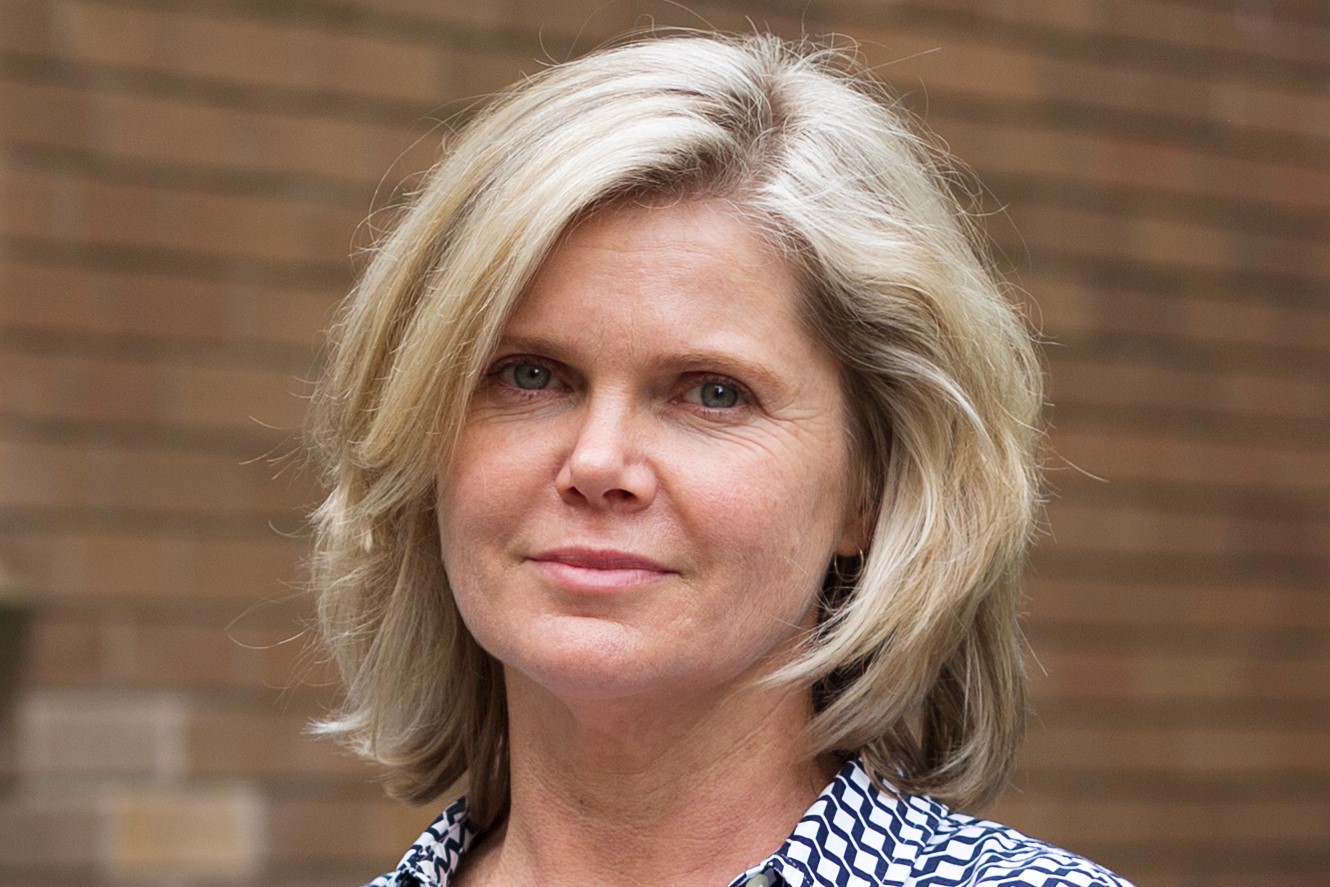
Aleta Knowles
Q: How big is the gap between a concept and the market?
Aleta Knowles: It’s a pretty big learning journey. Universities are now filling that space with accelerators and incubators — like the Knowledge Hub at USyd — that give researchers the toolkit and experience to ask the right questions. The whole process is a huge learning opportunity, especially for early career researchers.
Laura Droessler-Dansie: Researchers often need to shift their thinking: the customer is the expert. You’re learning about their problem, not just proving your solution. Some people do this really well; others benefit from programs like Periscope which help researchers position their IP and ideas where there’s genuine commercial value.
Q: How do you assess whether a researcher is ready to work with you?
Laura Droessler-Dansie: You can usually tell quite quickly in conversation whether someone’s being transparent or trying to oversell. It’s always better to be honest from the start and say, “This is just an idea right now — let’s work out where the market is.” People who follow through, stay in touch, and are open to feedback really stand out.
Q: What role does collaboration play?
Aleta Knowles: Sharing the vision is the first step. If the lab head sees themselves as the be-all and end-all, that’s a red flag — postdocs and PhD students should be actively involved and can add great value to a start-up. In the biotech space we also encourage teams to work with regulatory consultants early on. A good indicator is how researchers respond to external challenges and advice. Being open and transparent are critical to the collaboration mindset.
Q: What are common gaps researchers need to address before becoming investment-ready?
Laura Droessler-Dansie: One common hesitation is reaching out to potential customers too late — waiting until a product feels “finished”. In research, the finished product is often the paper; in commercialisation, that mindset can hold you back. You don’t want to spend all your resources developing something before you know the market wants it. Understanding the problem, the customer, and the commercial value is critical. You have to shift from being the expert to learning from the customer.
Q: What personal qualities do successful entrepreneurs have?
Aleta Knowles: They pivot quickly. Researchers often have multiple leads, but you need to be willing to kill a lead that’s not working, or put that second pipeline on the backburner and focus on what can reach the market fastest. Time is money. Successful teams know when to let go and focus on the critical steps that move things forward.
Laura Droessler-Dansie: While a business is founded around a key technology, success is always built by and with people. Effective communication is essential.
The most powerful communicators engage with openness, genuine curiosity, and a continuous desire to learn, rather than merely asserting expertise. It is not necessary to have all the answers, but cultivating a network of trusted advisors and colleagues is essential. Embracing this collaborative and inquisitive mindset fosters resilient partnerships and sustains growth, key to navigating complex challenges effectively.
Laura Droessler-Dansie
Q: Finally, what advice would you give to researchers thinking about commercialising their work?
Laura Droessler-Dansie: Protect your IP, and start talking to people early — potential customers, mentors, and commercialisation teams within your university. The earlier you understand the problem you’re solving and who it’s for, the faster you’ll move. And come talk to us!
Aleta Knowles: Be curious and courageous. It’s a steep learning curve, but every conversation gets you closer to seeing your research make an impact in the world.
Contributors
Manual Name : Aleta Knowles
Manual Description : Investment Manager - Biotechnology, Uniseed
Manual Address :
Manual Addition Info Title :
Manual Addition Info Content :
Profile image : /content/dam/corporate/images/researcher-development-hub/emcr-community/aleta-knowles-headshot.jpg
Manual Type : profile
_blank
Auto Type : contact
Auto Addition Title :
Auto Addition Content :
Auto Name : true
Auto Position : true
Auto Profile image :
Auto Phone Number : false
Auto Mobile Number : true
Auto Email Address : true
Auto Address : false
UUID :
Manual Name : Laura Droessler-Dansie
Manual Description : Investment Manager - Technology, Uniseed
Manual Address :
Manual Addition Info Title :
Manual Addition Info Content :
Profile image : /content/dam/corporate/images/researcher-development-hub/emcr-community/laura-drosier-dansie.jpg
Manual Type : profile

_blank
Auto Type : contact
Auto Addition Title :
Auto Addition Content :
Auto Name : true
Auto Position : true
Auto Profile image :
Auto Phone Number : false
Auto Mobile Number : true
Auto Email Address : true
Auto Address : false
UUID :